

Filters

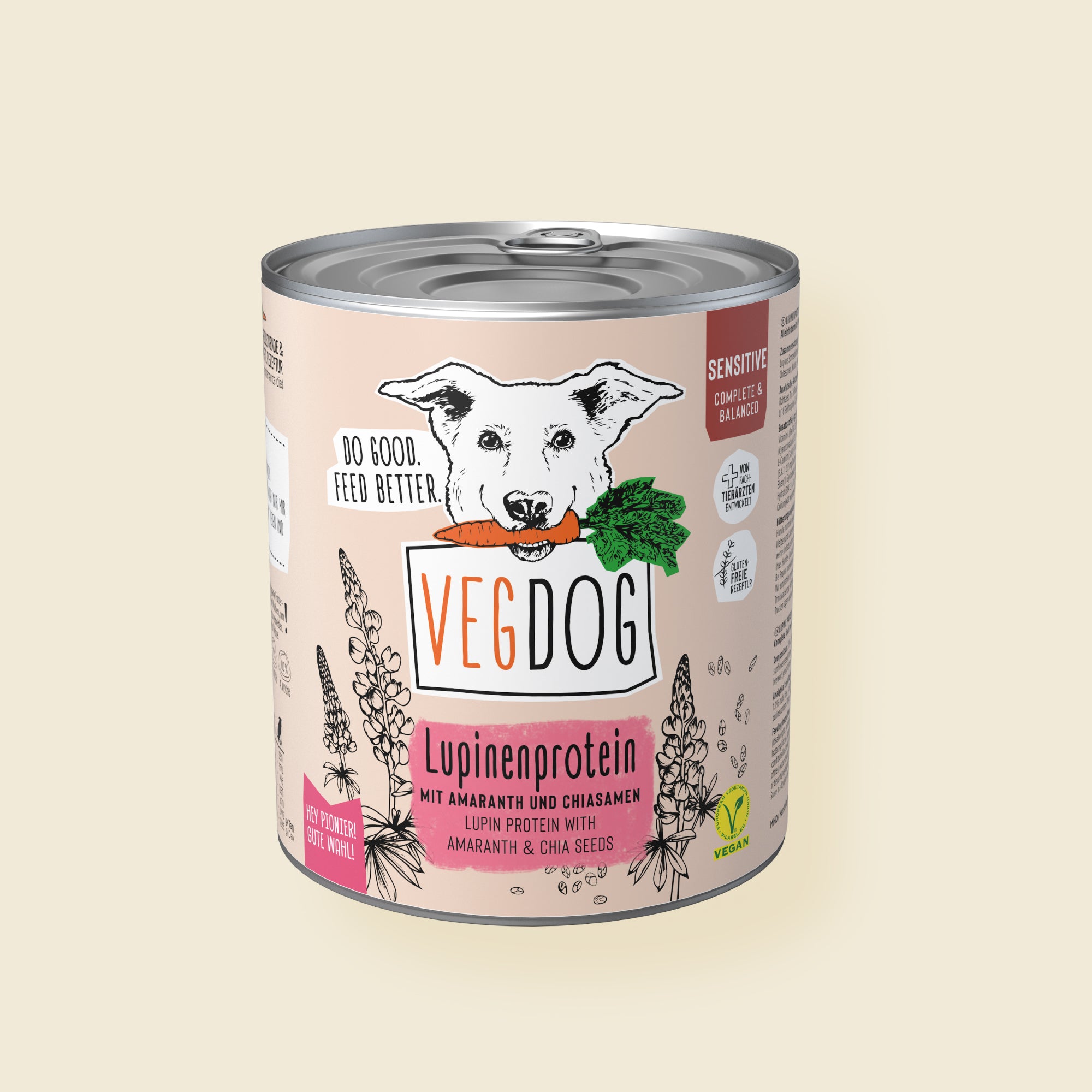
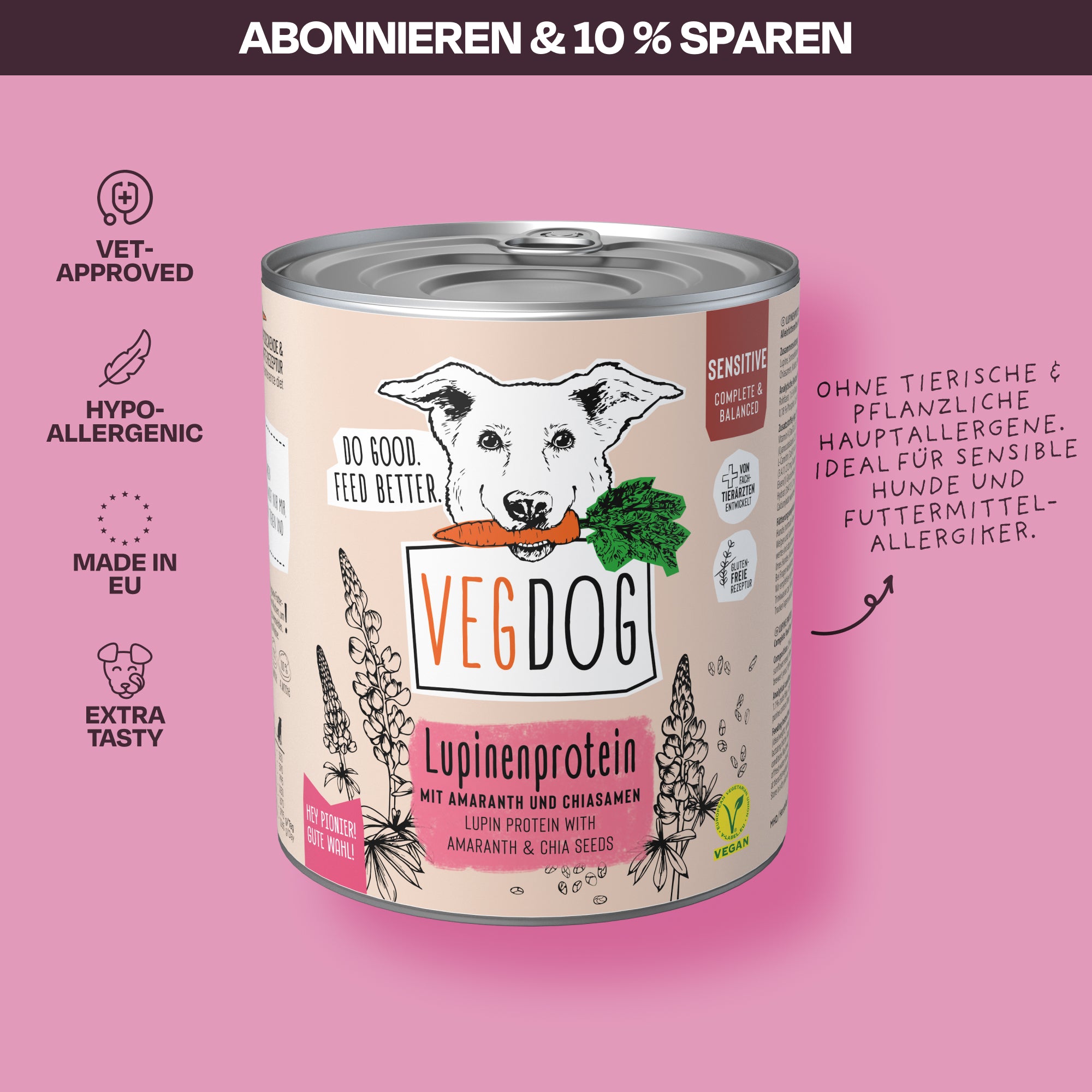
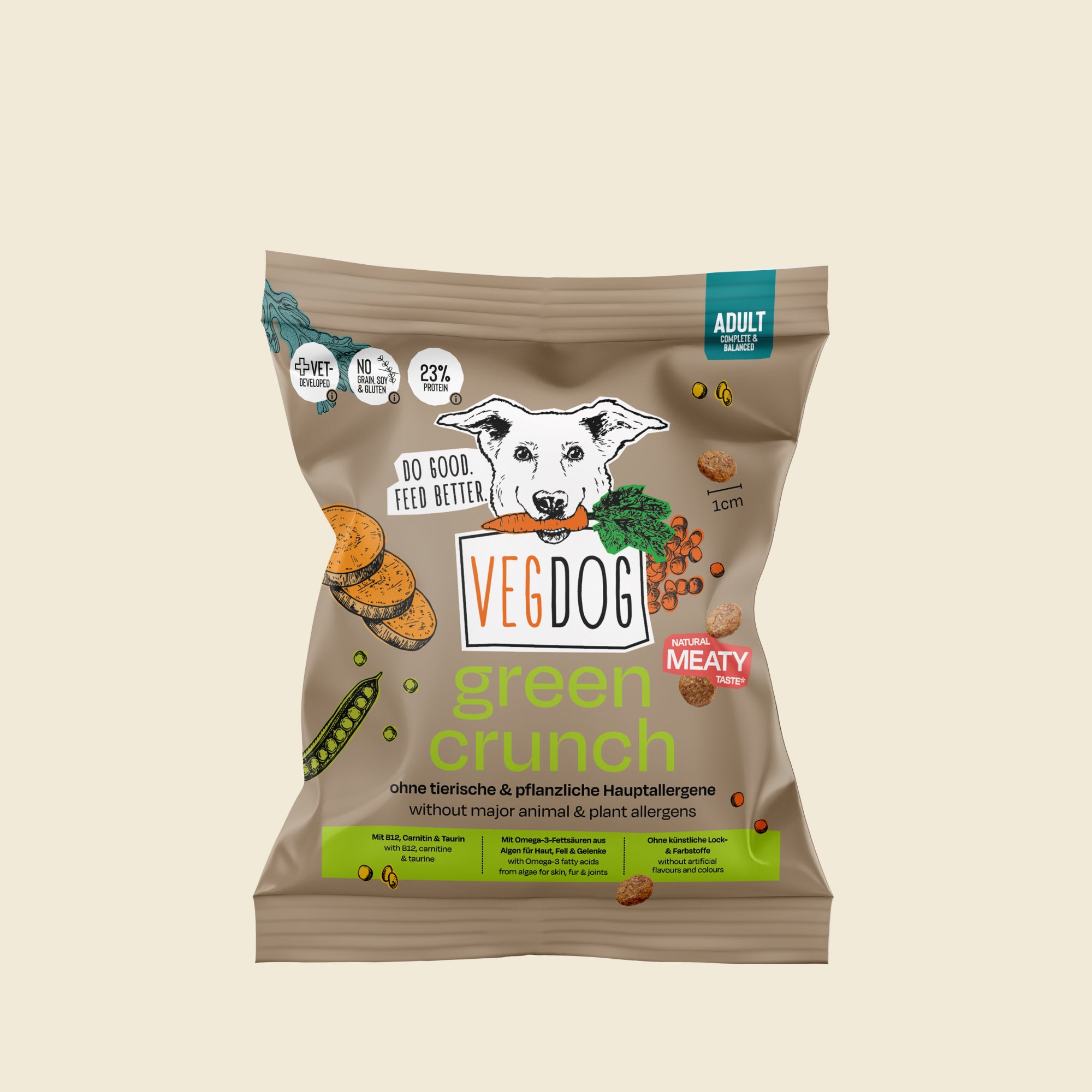
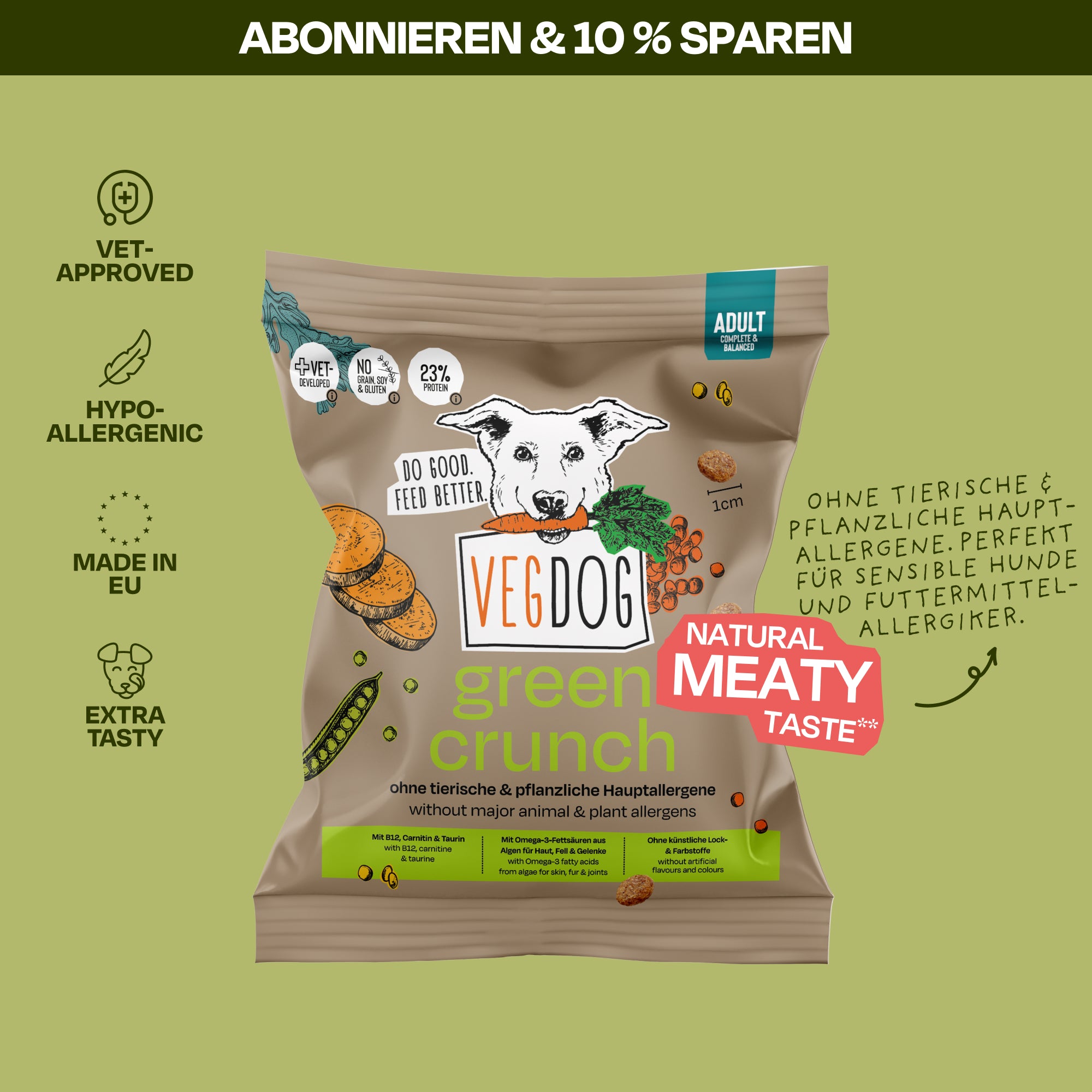
Complete feed for dogs
Choosing the right dog food is crucial for your four-legged friend's health and well-being. Whether dry food, wet food, BARF, or home-cooked meals – there are numerous options available when it comes to dog nutrition. However, complete feed plays a special role. We will explain what this term means and why it is so important for your furry friend's nutrition below.
Definition: What is complete feed?
Complete feed is specially formulated feed that is intended to meet your dog's nutrient requirements when fed on its own. It is designed to ensure a balanced diet and generally does not require additional supplements. Complete feed for dogs should contain sufficient protein, carbohydrates, fiber, fat, vitamins, and minerals to provide your four-legged friend with a healthy diet. Complete feed can come in various forms – from dry food to wet food.
VEGDOG: A plant-based, 100% nutritionally complete dog food
Complete feed can save us dog owners a lot of work, as all the necessary nutrients are already contained in the food and we do not have to deal with topics such as supplements . We at VEGDOG have therefore developed nutritionally complete feed for adult dogs together with veterinarians. These are not only vegan but also analytically proven to be 100% nutritionally complete. Our dry and wet food is made from selected ingredients. We also use recipes that exclude common allergens, making our food highly digestible for many dogs. With VEGDOG's plant-based complete feed, you can feed your dog a nutritionally complete and balanced diet.
Dry food: Crunch for every day
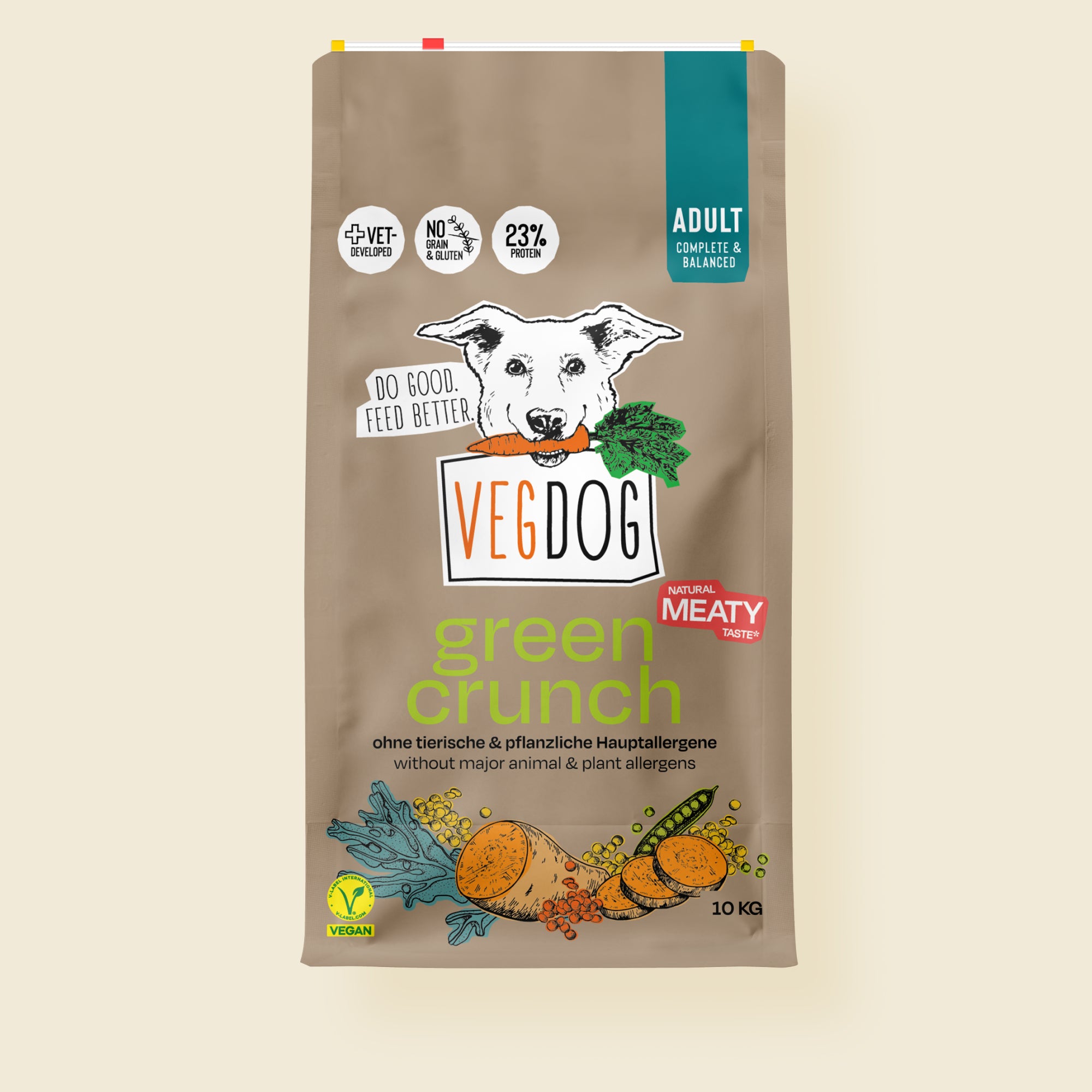
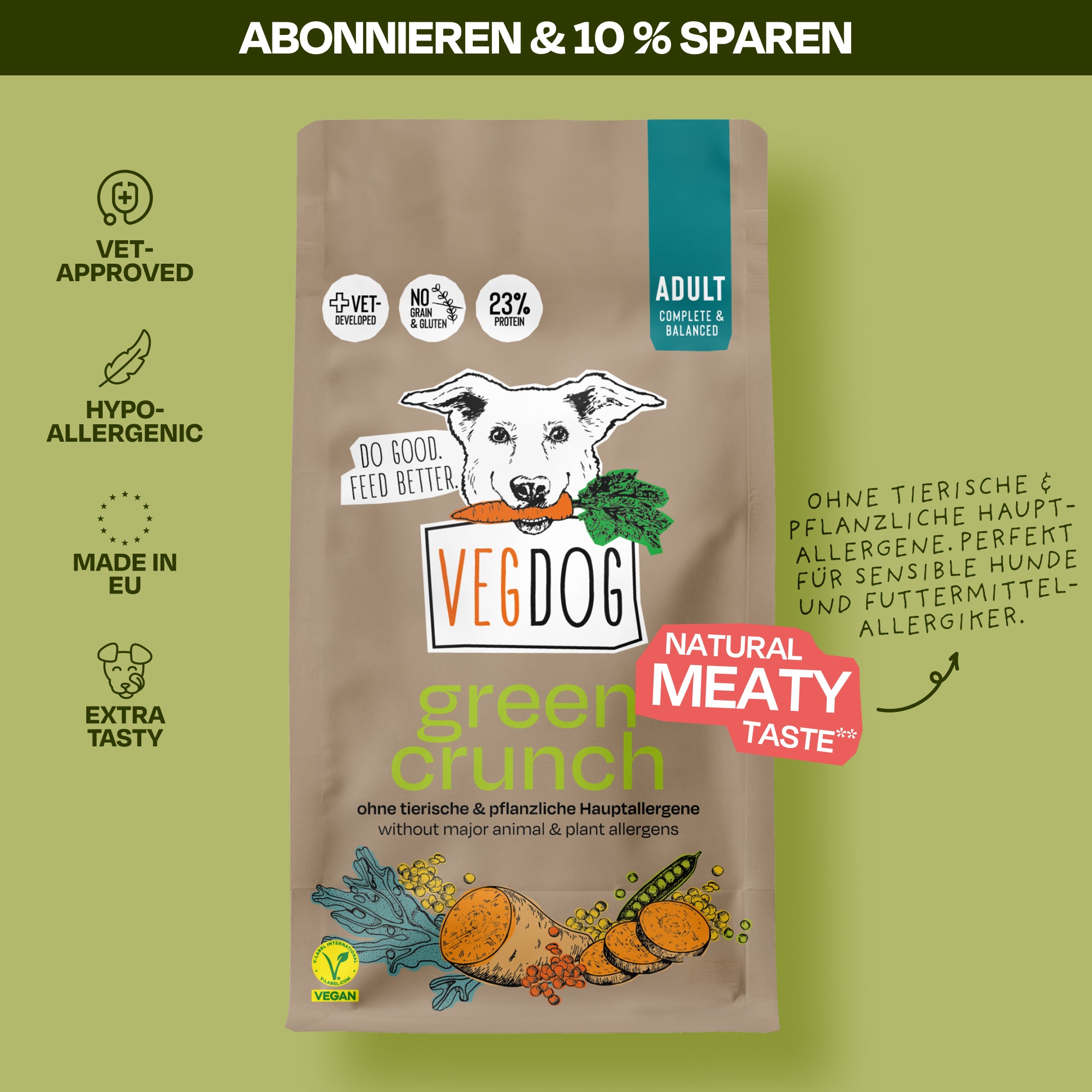
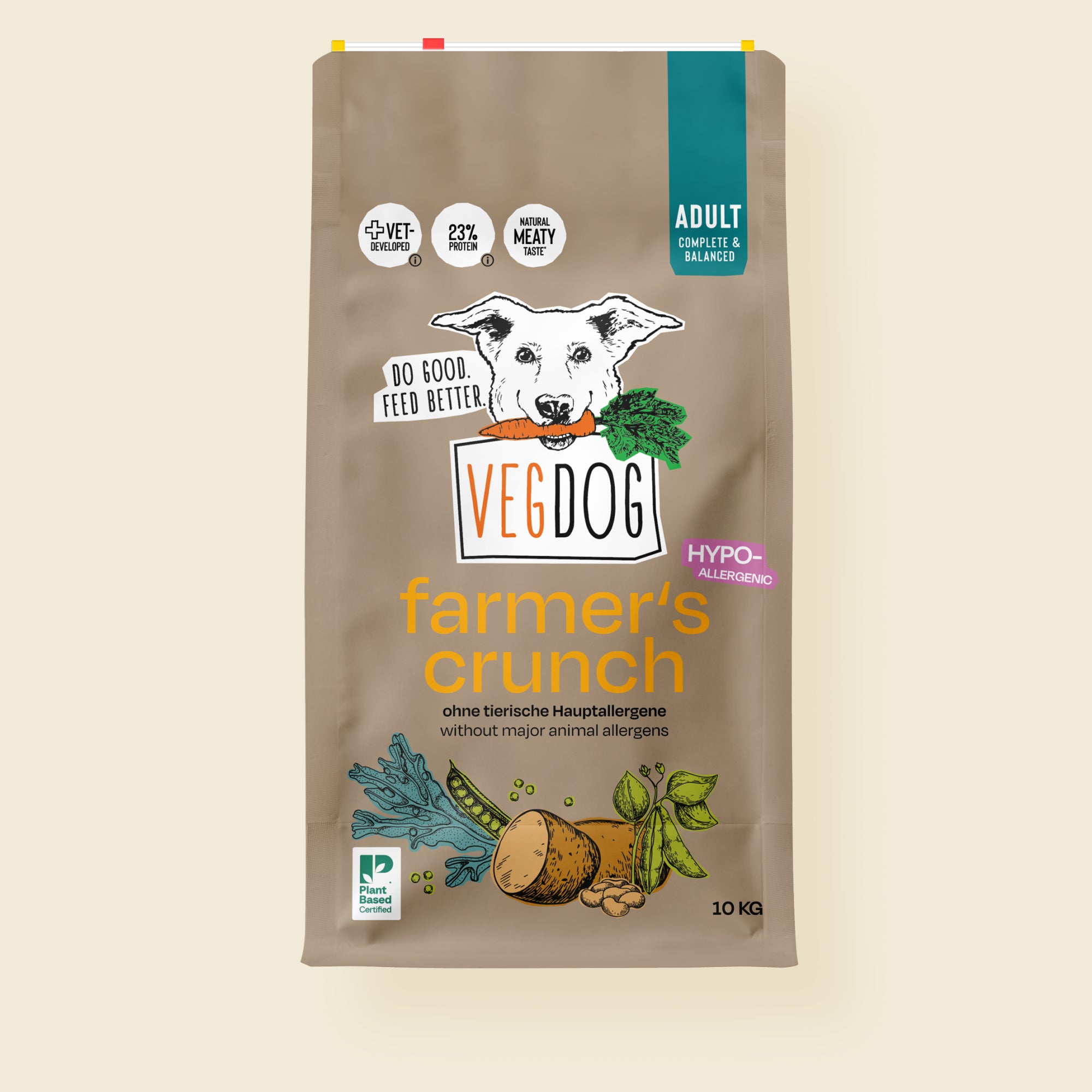
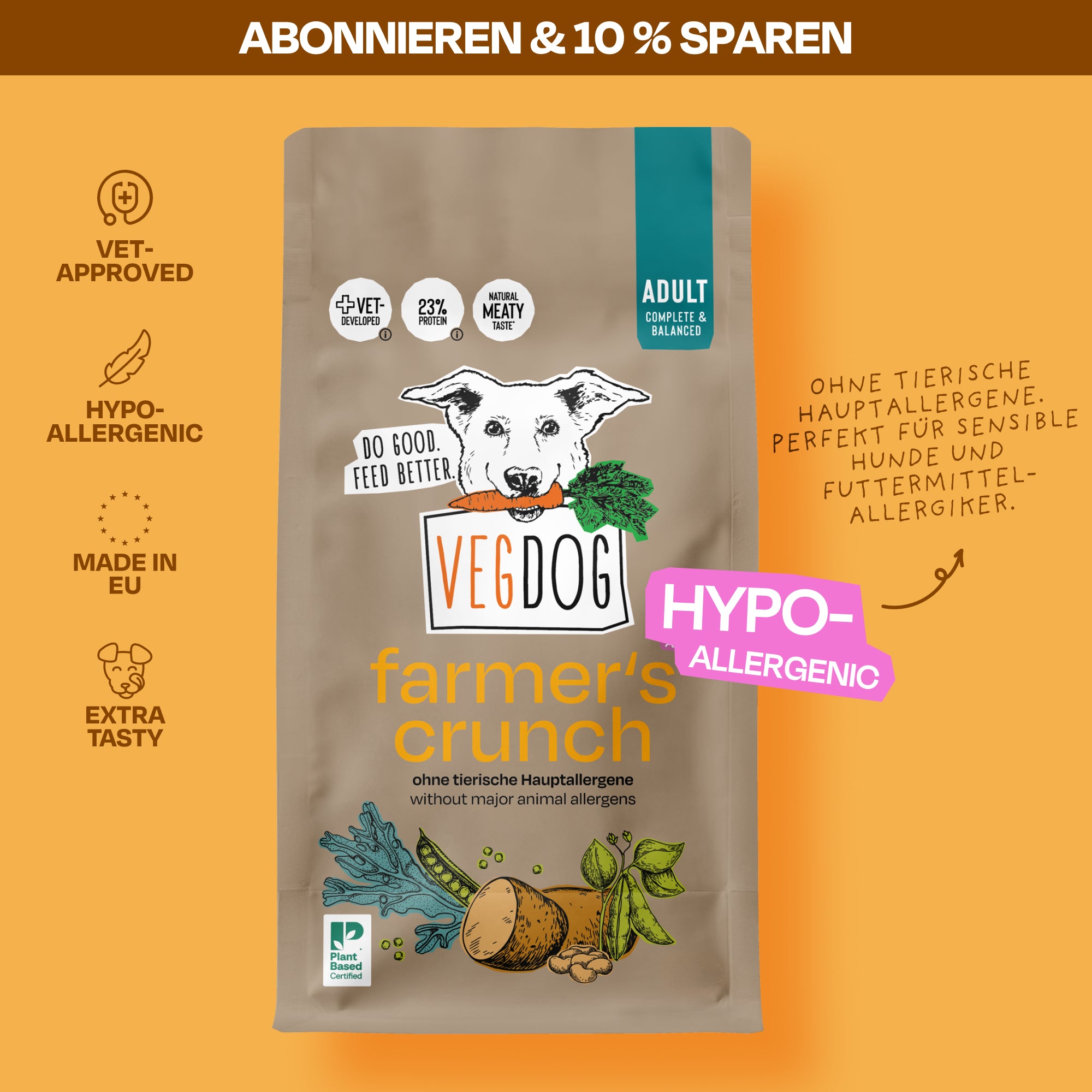
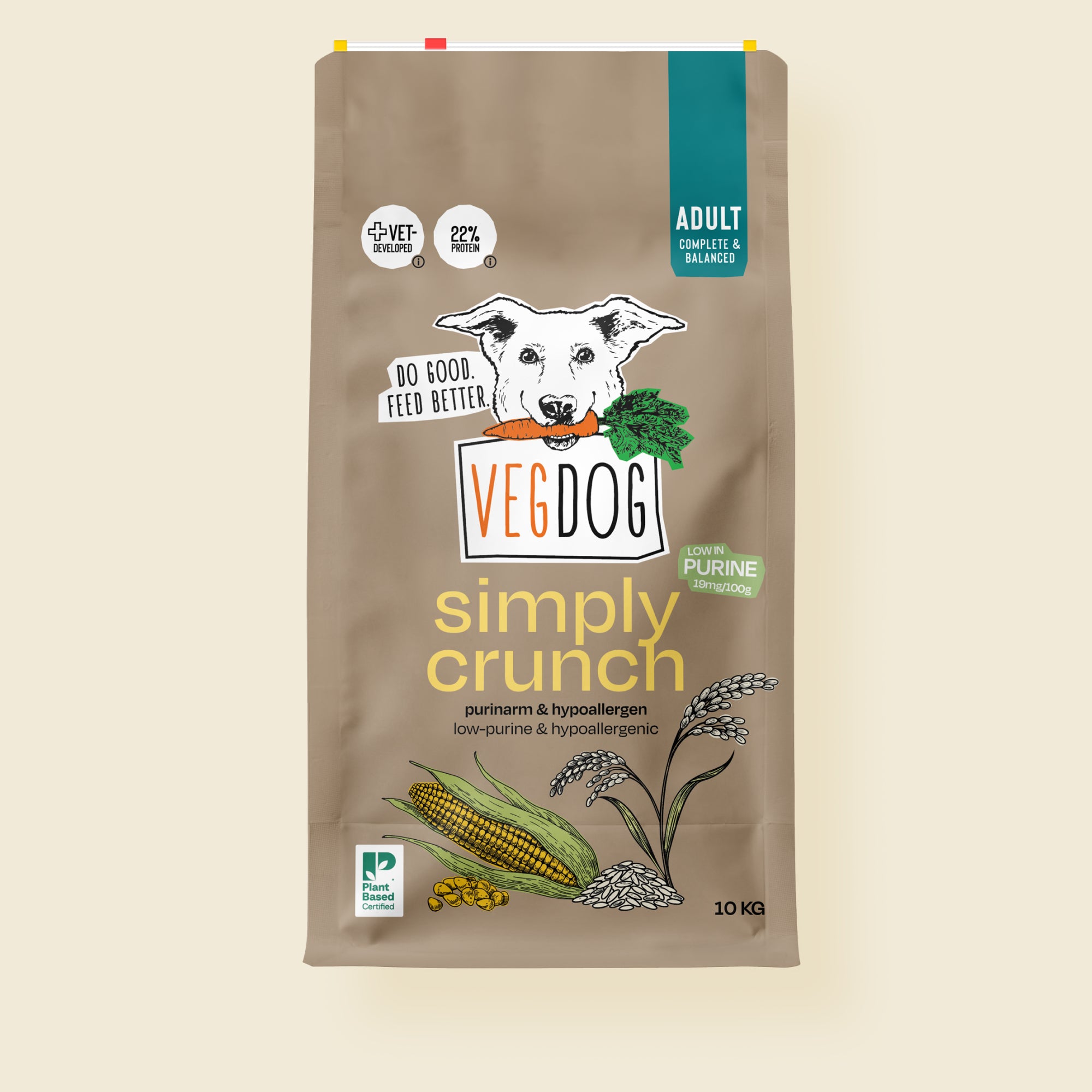
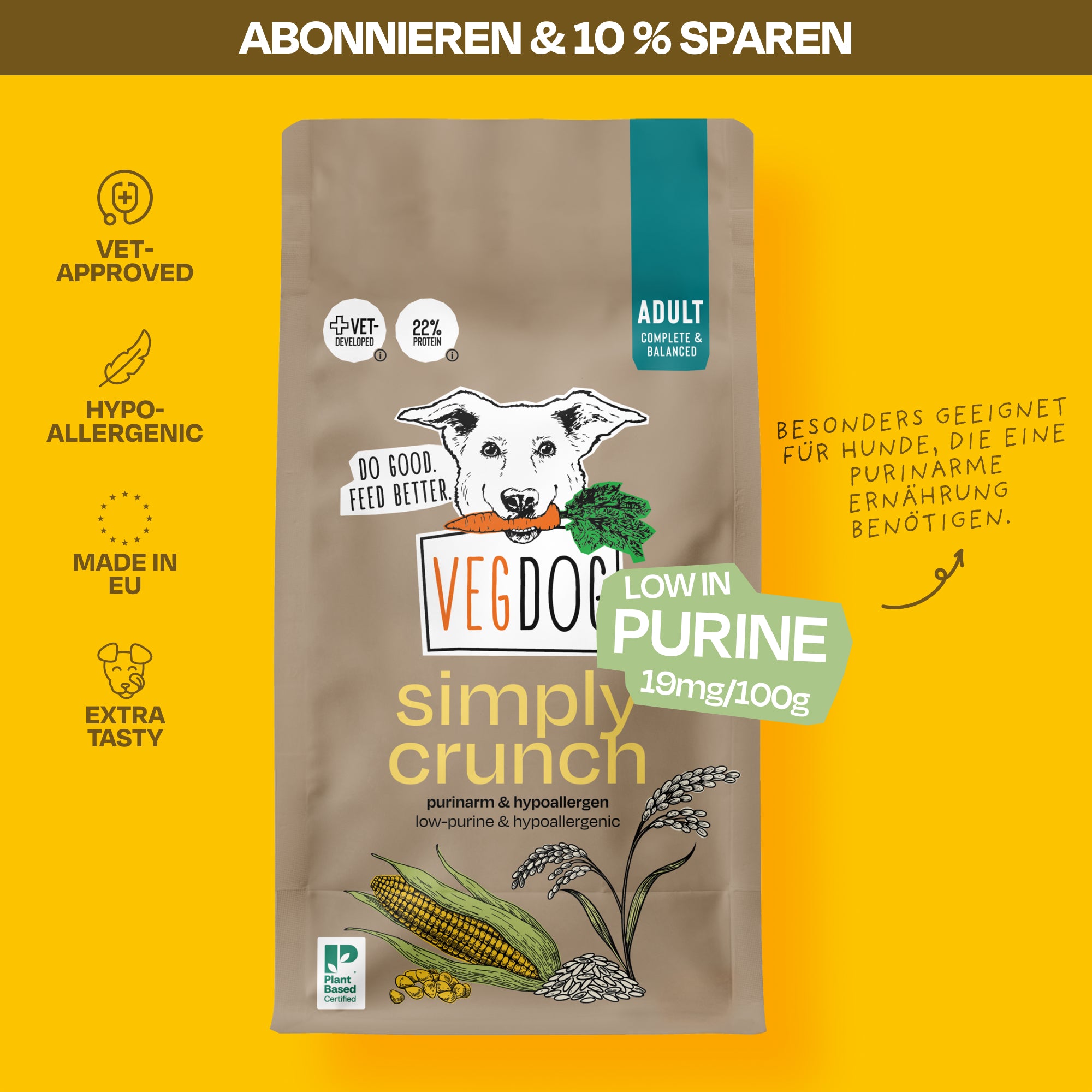
If you like convenience, our dry food varieties are an easy everyday solution. Our range includes Green Crunch, Farmer’s Crunch and Simply Crunch. They provide plant-based proteins and thus important amino acids, complemented by vitamins and minerals for a balanced nutrient supply.
Wet food: Juicy menus for more variety
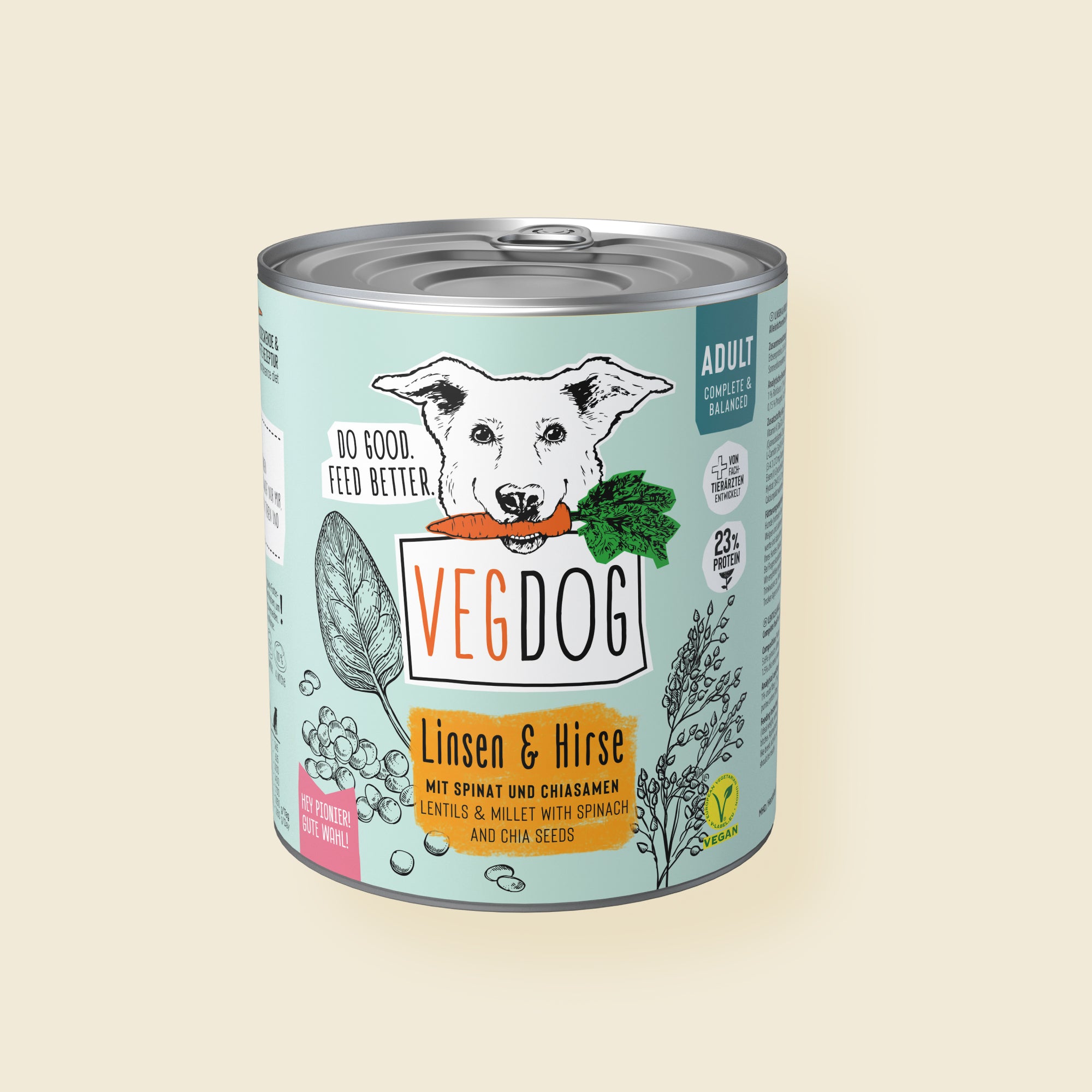
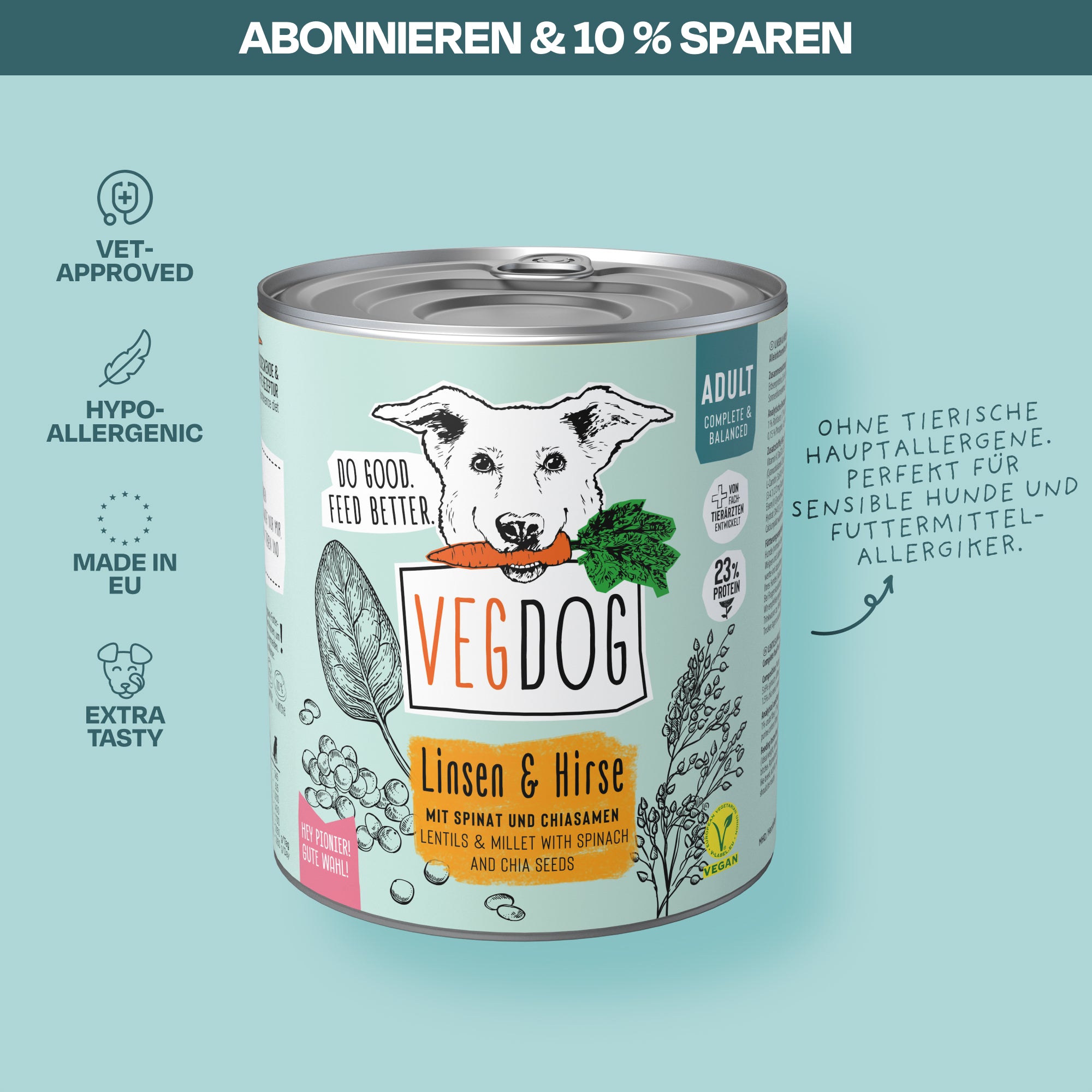
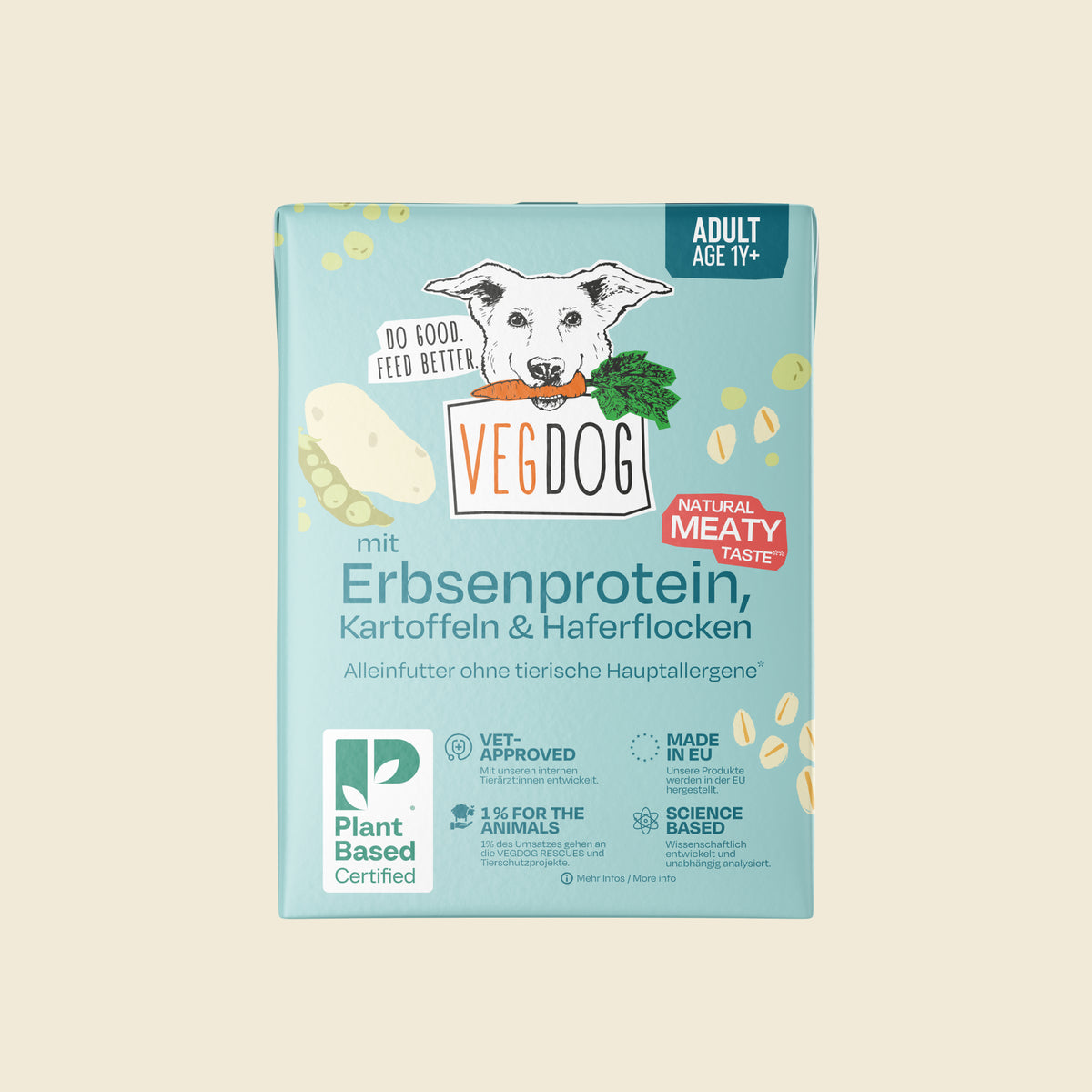
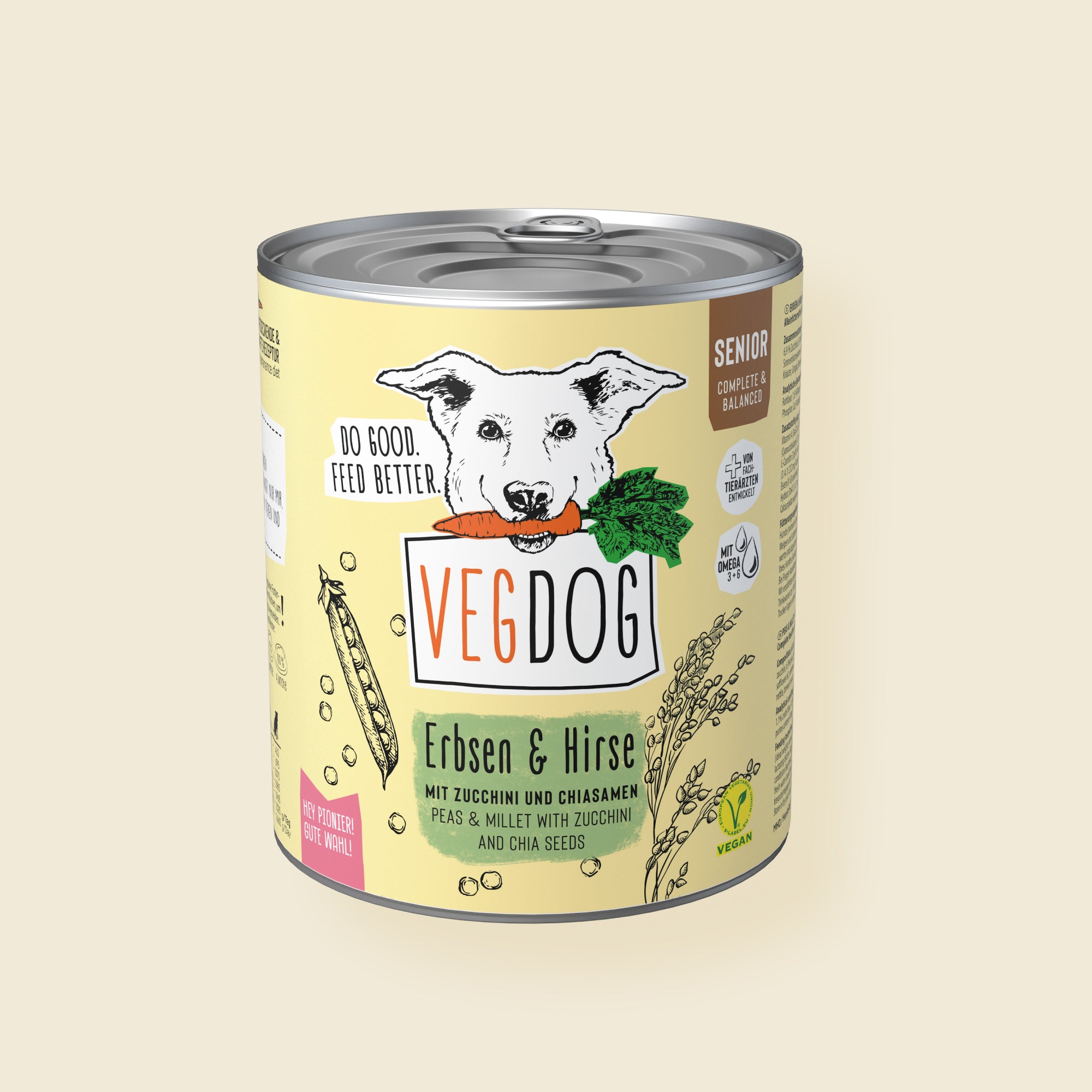
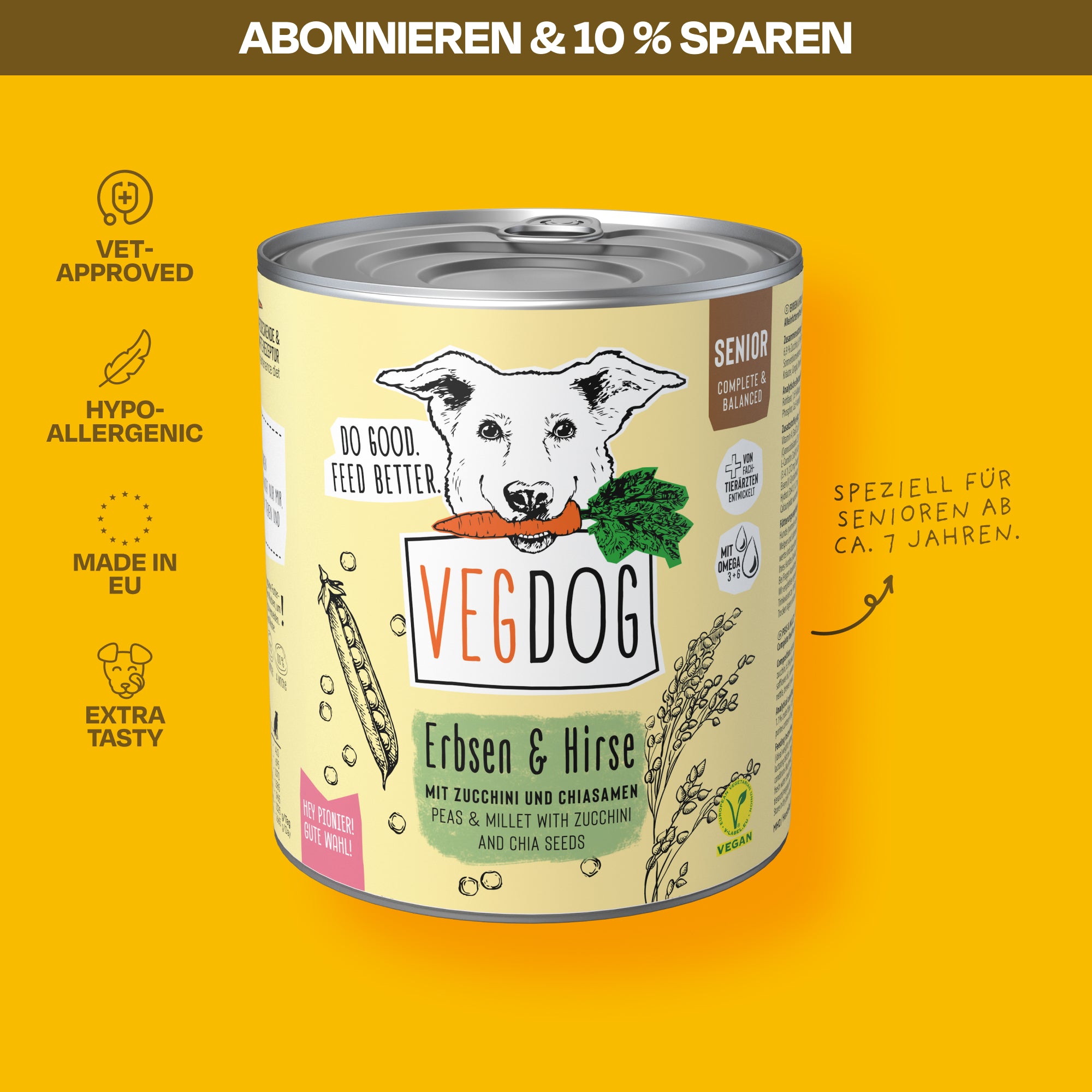
If your dog prefers wet food, you can choose from Adult Lentils & Millet, Sensitive Lupin Protein and Senior Peas & Millet. We also offer Adult Peas & Oats in a Tetra Pak if you prefer convenient portions. Here too, the recipes are designed as complete feed and use selected plant-based ingredients for good digestibility.
Complete feed tested: Does it really contain what is stated on the label?
Unfortunately, not all manufacturers are conscientious about the composition of their food. For example, dog food is often declared as complete feed in stores, even though it cannot be proven to meet the dog's requirements. The nutrient composition, on the other hand, is often inadequate and could lead to nutritional deficiencies. However, this is not always easy for consumers to recognize. Therefore, we will explain what you should look for when choosing complete feed for dogs below
- A list of all ingredients used (these should be listed in descending order by quantity)
- Information on analytical constituents (crude protein, crude fat, crude fiber, crude ash) as well as dry matter or moisture content of the dog food
- If information on nutritional additives per kg of food is missing, it is often not complete feed
- Terms such as "whole food" or "complete food" are merely for advertising purposes and do not necessarily refer to complete feed
What should plant-based complete feed contain?
Plant-based complete feed for dogs should use selected plant-based protein sources such as oats, peas, lentils, lupin, or amaranth to meet the protein requirements. These protein sources provide your furry friend with essential amino acids that support the muscles and can prevent deficiencies. Carbohydrates are also important to meet your dog's energy requirements, as well as essential omega-3 and omega-6 fatty acids. Vitamins and minerals are also important components of vegan complete feed. Depending on the recipe and selection of raw materials, certain nutrients can be specifically added to plant-based dog food to ensure a balanced nutrient profile:
- Copper
- Taurine and L-carnitine
- Vitamin B12
- Plant-based vitamin D3
- Amino acids such as DL-methionine, L-threonine, L-tryptophan, and L-valine
-
other vitamins and trace elements if they are not sufficiently covered by the raw materials
Other feed classifications
In addition to complete feed for dogs, there are also supplementary, single, and dietetic feeds. We will explain the meaning of these terms below.
Supplementary feed: A useful addition, but not a nutritionally complete food
Supplementary feed is a mixed feed that does not meet the requirements of nutritionally complete feeding. Additional food components are needed to provide the dog with all the necessary nutrients. Examples of supplementary feed include VEGDOG Vish Oil and All-In Veluxe Mineral Powder.
Single feed: Correctly classifying individual ingredients
Single feed refers to a single component that can be contained in a feed. This can be beef, carrot, or another raw material. On its own, single feed is not able to meet all of your dog's nutrient requirements.
Dietetic feed: Recipes for special needs
Dietetic feed is feed for special nutritional purposes. It has a specially defined composition to support certain nutritional requirements, for example in cases of overweight or in connection with certain health problems. In practice, it should only be fed after consulting a professional and often only for a limited period.
Find the best complete feed for dogs
Complete feed is a good choice if you want to make sure that your beloved furry friend receives all the necessary nutrients. Since declarations and recipes can vary, you should always take a look at the packaging and carefully check the composition. We at VEGDOG have developed plant-based complete feed together with veterinarians, which is available as dry and wet food. Discover our vegan range too and help contribute to your four-legged friend's health with a balanced diet
FAQ
What is a complete feed for dogs?
A complete pet food for dogs is a feed that contains all necessary nutrients in balanced amounts to meet a dog's daily requirements. It can serve as the sole source of nutrition.
What is the difference between complete feed and complementary feed?
Complete feed is a mixed feed that fully covers your dog's nutritional needs. Complementary feed, on the other hand, contains only specific nutritional components that can supplement the diet.
Is dry food a complete feed?
Yes, dry food can serve as a complete feed for dogs, provided it contains all the essential nutrients your four-legged friend needs. However, wet food can also be a complete feed.