



CATCH OF THE DAY? PLASTIC!
Fishing isn't really our thing—quite the opposite, actually. Unless, of course, it’s plastic. With our CleanHub project, we’re taking it a step further: we’re helping to collect plastic waste in coastal regions so that it never ends up in the ocean in the first place.
The great thing about CleanHub: we can even track in real-time how much plastic has already been collected and sustainably recycled in our name!
Why CleanHub?

With CleanHub, we fund projects that collect plastic waste - whether directly from nature, at collection points in communities, or straight from local households. The plastic is then sorted, and all recyclable material is reused. The non-recyclable plastic is used as an alternative fuel in cement production instead of coal and gas. This prevents the plastic from ending up back in the environment.
SUSTAINABILITY & PLASTIC PACKAGING?
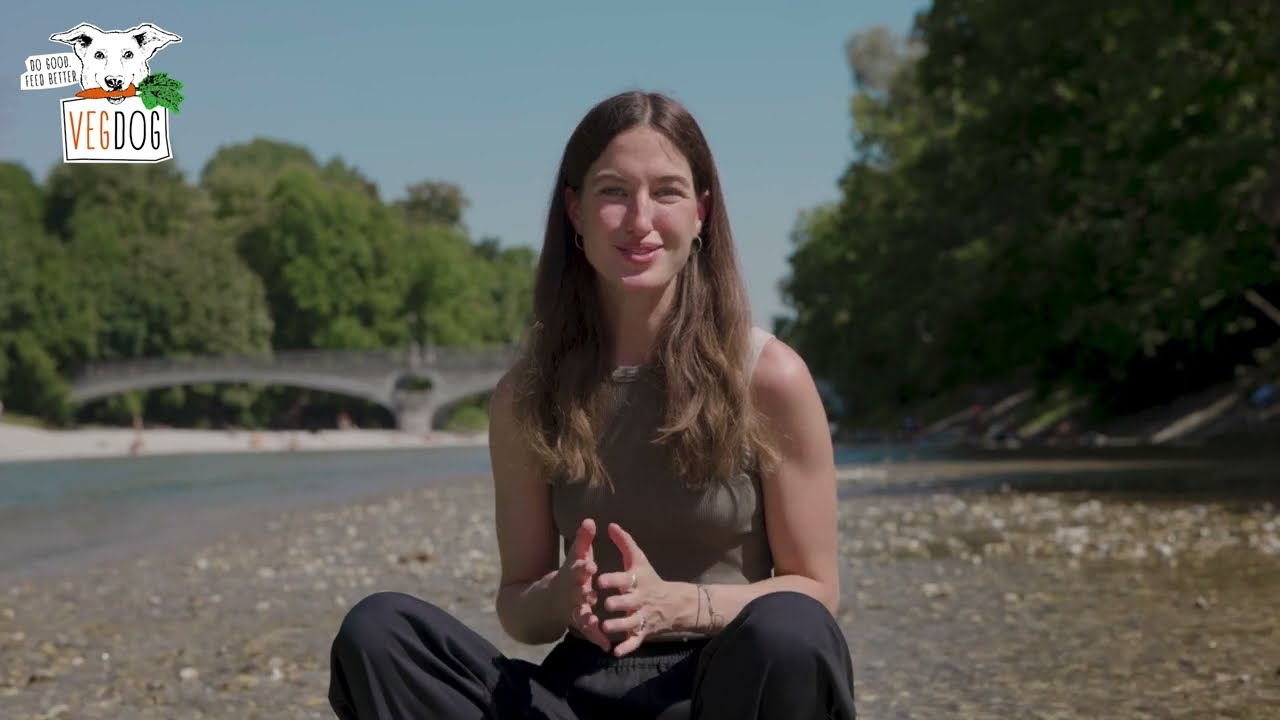
Our work with CleanHub in detail:
Impact beyond greenwashing
Quite apart from the fact that we are constantly working to make our packaging even more sustainable, we are big fans of CleanHub. That is because the organization works transparently and makes it possible for companies to take direct responsibility for their plastic footprint.
Supporting local communities
CleanHub partners in India, Indonesia, and Cambodia collect plastic waste and establish sustainable recovery systems in local communities. This prevents plastic from ending up in the ocean or being burned openly. Furthermore, the system creates stable jobs with decent working conditions.
Supporting local communities
Track & Trace technology provides proof of how much plastic has been collected and where it goes after disposal. This makes CleanHub the first plastic credit system verified by TÜV SÜD, thereby creating transparency and stringent standards.
You can find further information in our CleanHub Impact Report: