

DOG DENTAL CARE
Eating, biting, gnawing – a dog’s teeth have to stand up to quite a few demands in everyday life. But what should you do when dental problems occur? Dental issues in dogs are not uncommon and should be checked and addressed regularly. However, as always, prevention is better than cure. You will also find out what that looks like in this article.
 Author: Veronika
 Proofreader: Carla
DOG DENTAL CARE
Eating, biting, gnawing – a dog’s dental system has to withstand quite a few demands in everyday life. But what should you do if dental problems occur? Dental issues in dogs are not uncommon and should be checked and addressed regularly. However, as always: prevention is better than cure. You can also find out what that looks like in this article.
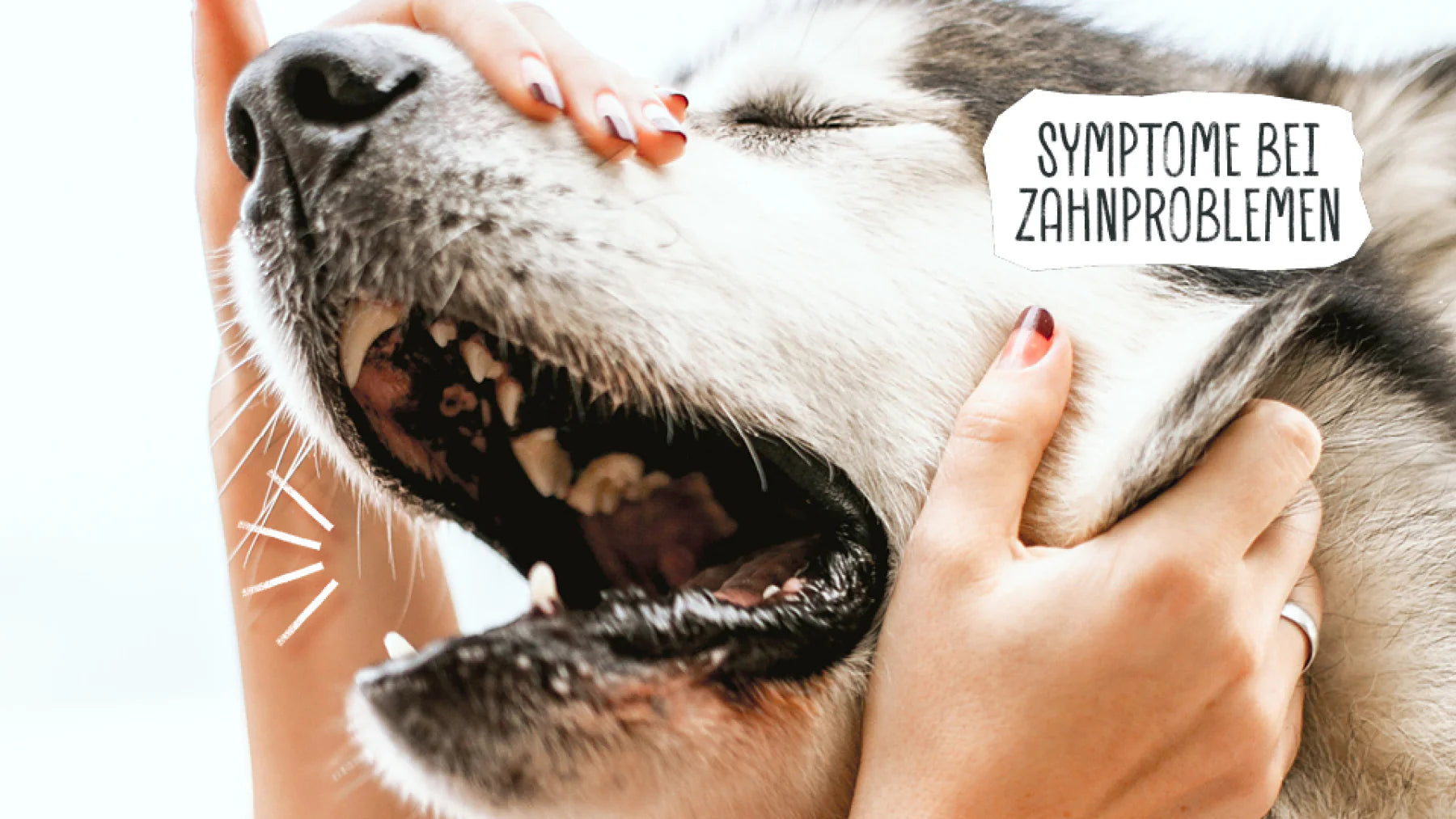
The first signs that something is wrong in the mouth are unfortunately very subtle. The argument, "My dog is still eating just fine!" is therefore unfortunately very dangerous. Because eating is the very last thing to be stopped! However, problems begin much earlier. Early signs include bad breath, for example. It is not normal for dogs to have stinking breath! Reddened gums, increased salivation, or tartar should also be taken seriously. Once it really starts to hurt in the mouth, the desire to eat decreases. Many dogs no longer want to eat or only eat individual, soft components of their food. In the long run, this can lead to malnutrition and underweight. Shaking the head, scratching the mouth with a paw, or rubbing the snout can also be signs of toothache.
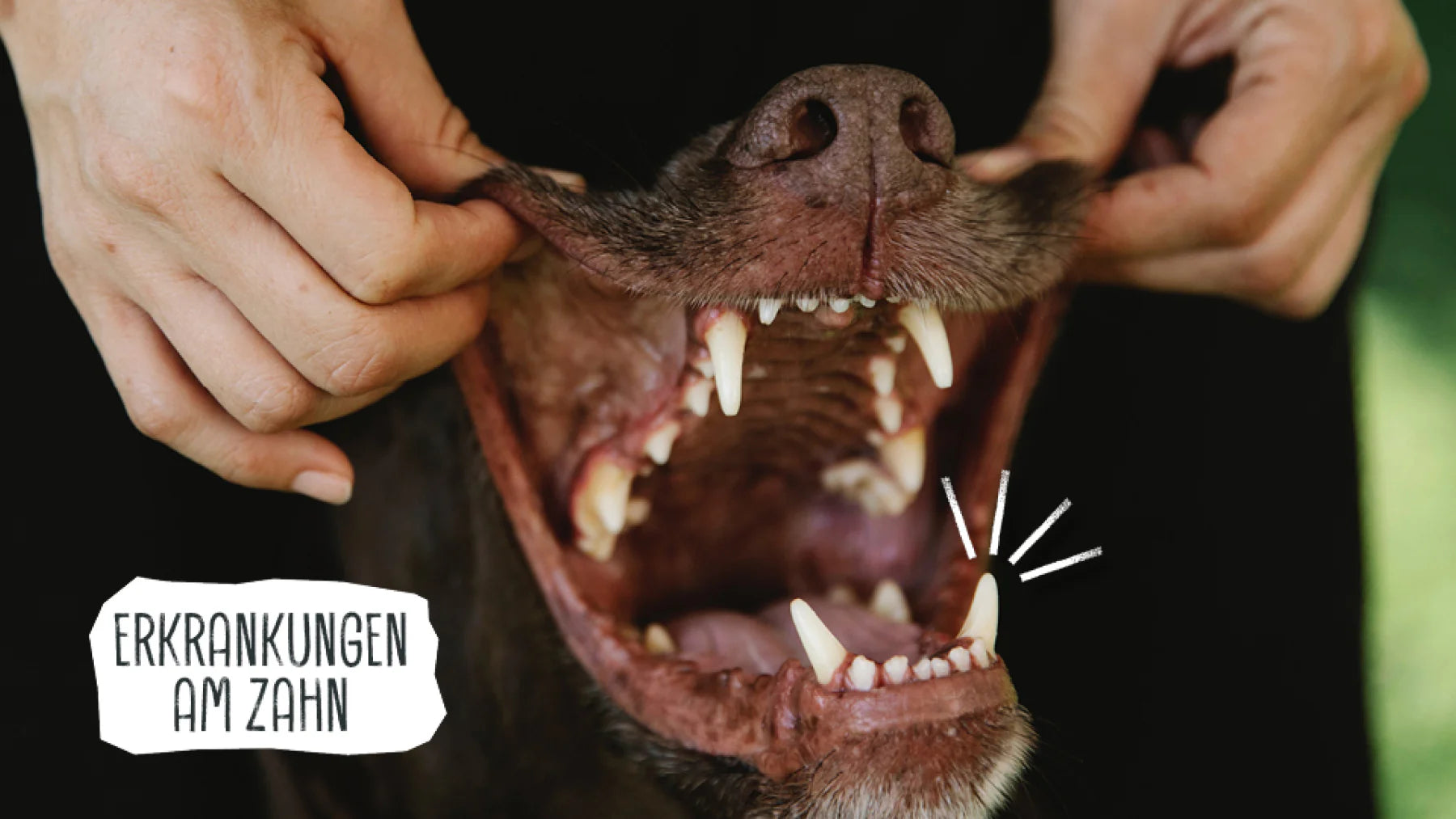
Tartar: One of the most common oral diseases is tartar. It accumulates on the teeth, leads to bad breath, and traps bacteria in veritable protective shells on the tooth. Because of the rough surface of the tartar, this is the perfect place for bacteria to grow. These bacteria can trigger inflammation and spread through the blood to distant organs, where they can cause problems. One consequence, for example, can be inflammation of the heart! Factors such as pH value, saliva volume, or mineral concentration in the saliva influence tartar formation.
Periodontitis: Inflammation of the gums triggered by bacteria. Consequences include gum recession and swelling, as well as tooth loss.
DANGERS IN DENTAL CARE
Products that are too hard: Chew products like animal bones or antlers are often advertised for dental care but carry significant risks. Since these products are very hard, they frequently lead to tooth fractures, especially in the molars. In addition, the ingestion of bones can lead to injuries of the esophagus and the gastrointestinal tract or to intestinal obstructions.
Inorganic phosphates: So-called "inorganic phosphates," such as sodium hexametaphosphate, are added to many dental care products. These additives are intended to protect against tartar and keep teeth clean. Unfortunately, there are now numerous studies involving humans, cats, and dogs showing that inorganic phosphates in particular can negatively affect kidney health. We therefore strongly advise against the use of snacks with added inorganic phosphates. Naturally, we do not use these additives in our snacks, opting instead for harmless ingredients like cellulose, which acts like a natural "peeling" for the teeth.
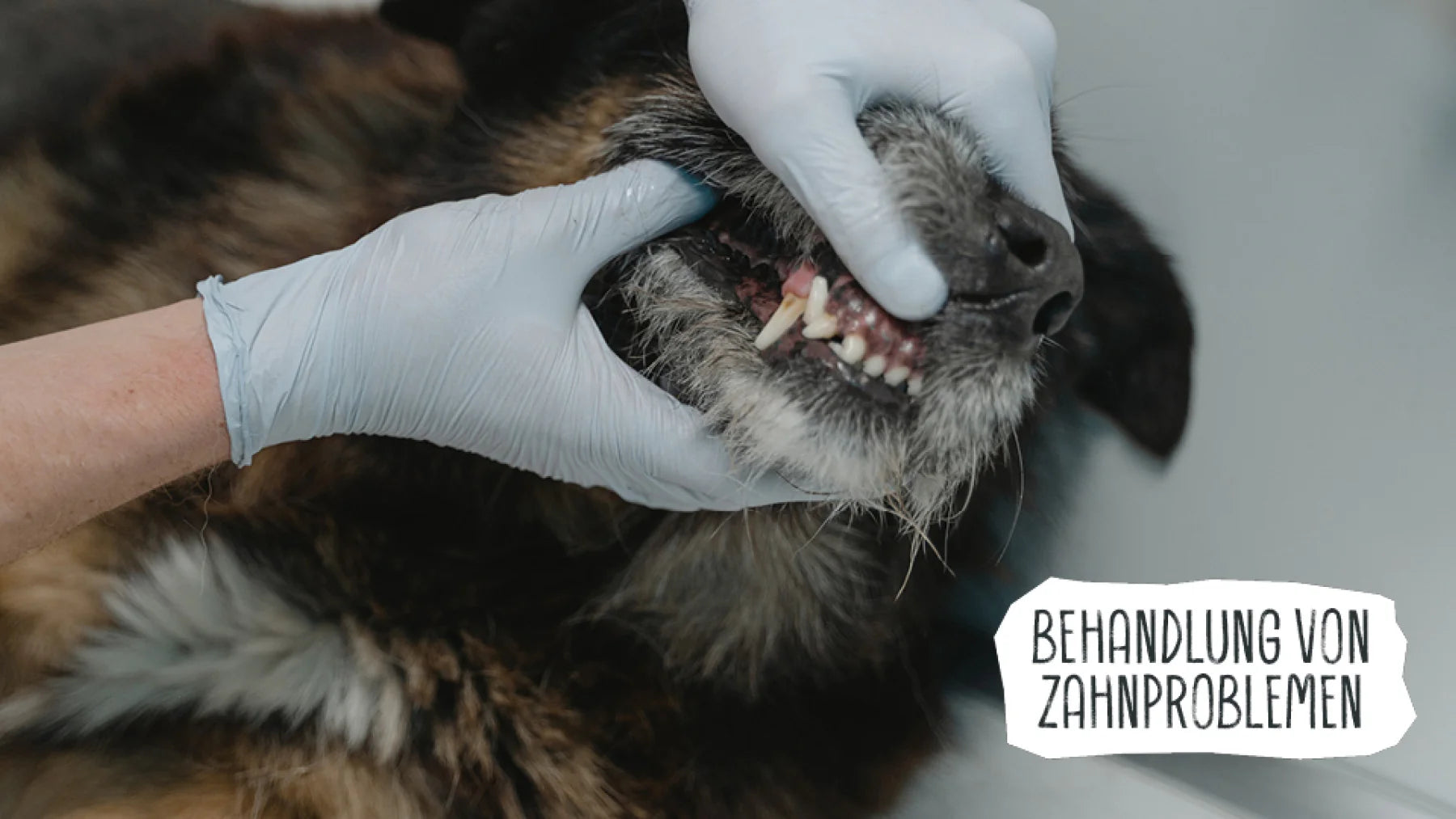
Dental problems must be diagnosed by (specialist) veterinarians and require a thorough examination and therapy. As a standard procedure, teeth cleaning is usually performed under general anesthesia. To truly get to the root of the problem, dental X-rays are necessary and sensible in most cases. This is because a tooth may look perfectly healthy on the surface while trouble is already brewing deep down. It is not uncommon for several teeth to have to be extracted, especially in older dogs or dogs with jaw misalignment.
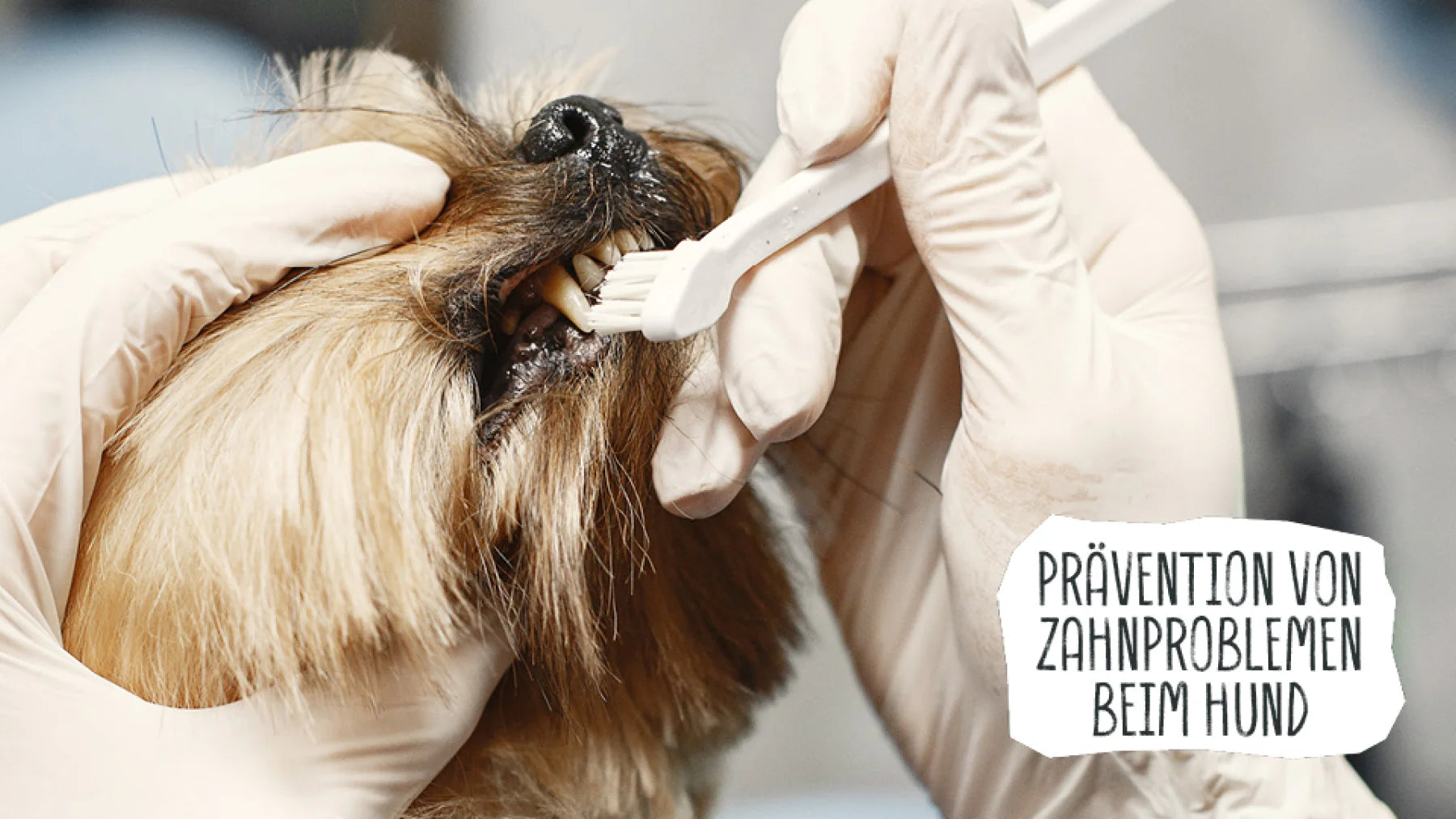
Dental care through tooth brushing or veterinary dental cleaning should be performed regularly. As with us humans, the best way to prevent tartar is by brushing teeth. Not every dog likes it, but with patience and a little time, you can get your pet used to teeth cleaning. It is worth approaching tooth brushing in a playful way from a young age. Ideally, you should clean your dog's teeth once a day, but even once a week helps and is better than doing nothing at all. To clean the teeth, you will need a toothbrush and special toothpaste for your four-legged friend, as our conventional toothpaste is unsuitable for dogs. We recommend asking your veterinary practice about the right products. For very uncooperative dogs, there are also toothpastes that can be applied to the oral mucosa without having to brush the teeth afterwards. The enzymes contained in the cream help to remove plaque. In addition to brushing, your four-legged friend's teeth should be checked by a vet annually. However, once tartar is present, it can only be removed manually using special instruments as part of a veterinary treatment. A healthy, balanced diet also helps keep your dog's teeth healthy and, in the best case, avoids treatments such as tartar removal or tooth extraction. In addition to these measures, we have another recommendation: dental care that is fun and tastes good – our DENTALS!