

What are dogs not allowed to eat?
Which foods must dogs not eat? In our 3-part blog about suitable foods for dogs, we introduced you to fruit and vegetable varieties, carbohydrate sources, and oils that are appropriate for dogs. Now follows an article on the foods that are toxic to dogs and should under no circumstances end up in a dog's bowl:
 Author: Carla
 Proofreader: Veronika
1. Fruit
a) Grapes/raisins/currants/grape pomace
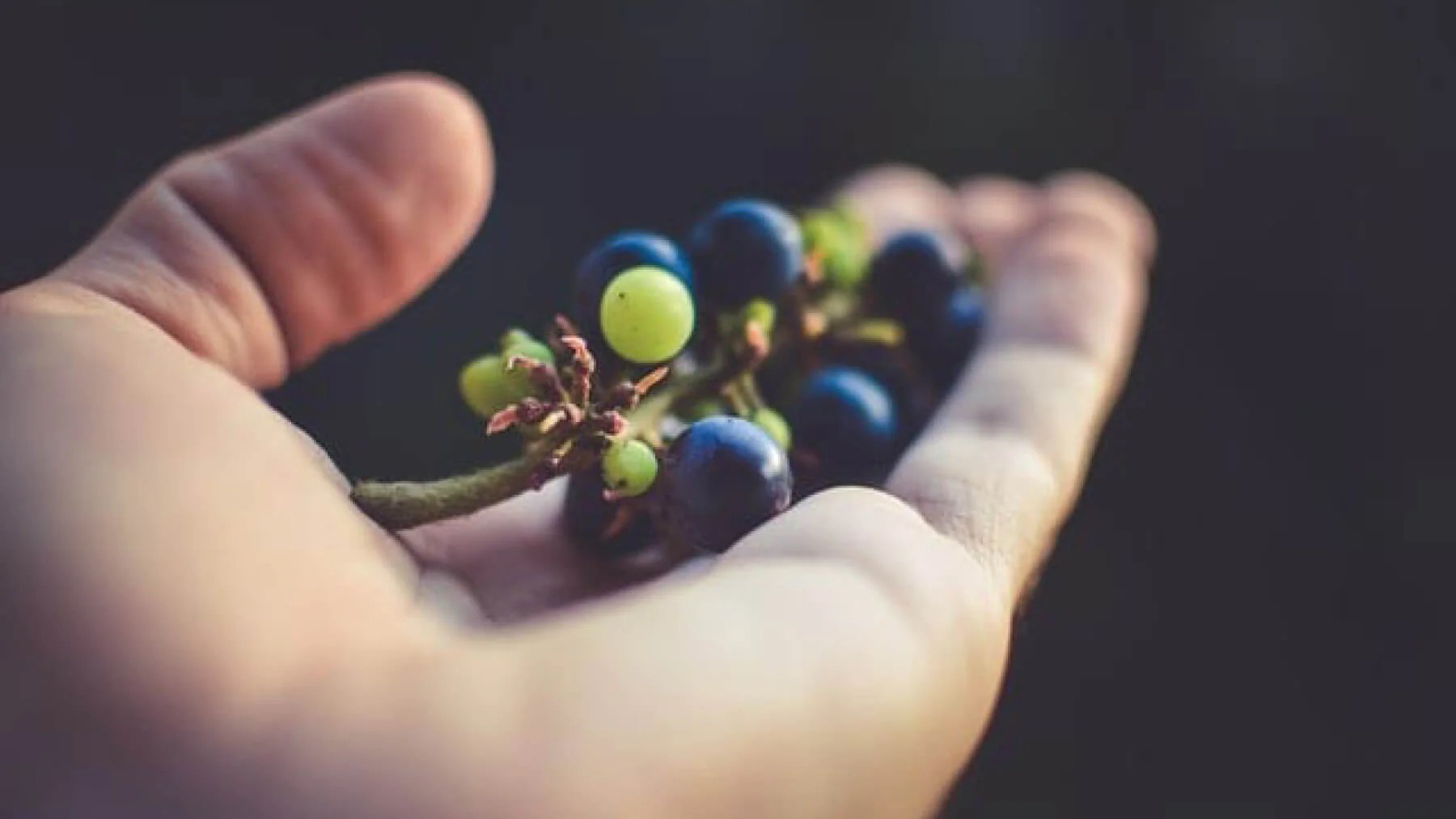
It has not yet been definitively clarified what causes the toxicity in these fruits. Some dogs have tolerated eating grapes, while others have suffered severe poisoning with kidney failure, sometimes ending in death. Components of the grape seeds are suspected, while another theory is a toxic reaction to the pesticides used.
It has not yet been definitively clarified what causes the toxicity in these fruits. Some dogs have tolerated eating grapes, while others have suffered severe poisoning with kidney failure, sometimes ending in death. Components of the grape seeds are suspected, while another theory is a toxic reaction to the pesticides used.
The toxic dose is 10-30 g/kg of body weight. Symptoms of poisoning include vomiting, shock, kidney failure with increased or decreased urine flow, and elevated kidney values in the blood, which can lead to death. Please ensure that your dog does not have access to these sweet fruits; grapes should always be stored out of reach of dogs.
b) Fruit pits
In general, when feeding stone fruit, you should make sure to remove the pits, as they contain hydrocyanic acid. Fruit should also be thoroughly washed or peeled and fed according to individual tolerance.

1. Vegetables
a) Avocado
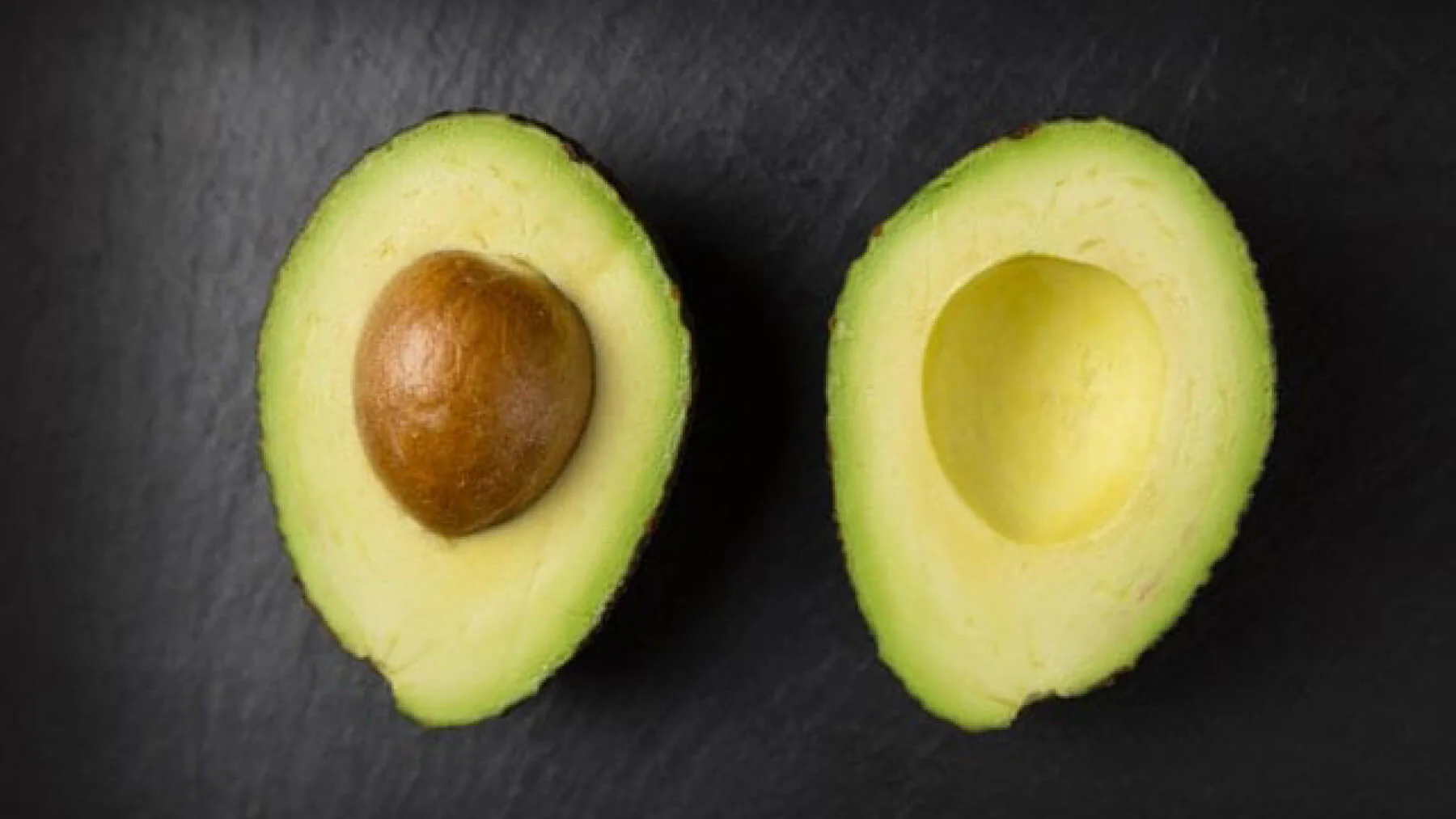
Avocados are healthy, energy-rich fruits for us humans with a high proportion of healthy fatty acids. Avocados are not suitable for dogs; for one, there is the risk of swallowing the pits, which could lead to intestinal obstruction, and furthermore, avocados contain persin. This toxin can lead to gastrointestinal symptoms, and consumption of high doses can also potentially result in heart damage.
Avocados are particularly unsuitable for dogs that require a low-fat diet (e.g., in cases of pancreatitis).
b) Garlic
The allicin contained in garlic is toxic to dogs. Garlic is popular with many dog owners as a "home remedy"; it is said to protect against mosquitoes, fleas, and ticks, and even to have an effect against worms. These positive anti-parasitic properties have not yet been scientifically proven. Dogs should not receive more than 4 g of fresh garlic per day; a toxic dose for dogs is reached at 5 g/kg/day. Caution is also advised with garlic flakes/extract; due to the low water content and the high concentration in the extracts, the toxic dose drops to 1.25 ml/kg over one week. Allicin leads to the formation of so-called Heinz bodies; the red blood cells burst, which can result in anemia. Symptoms of poisoning include vomiting, diarrhea, jaundice, rapid heartbeat, weak pulse, and anemia with pale mucous membranes. Consequently, every dog owner should ask themselves whether the benefit for their dog can really be so great that it outweighs the potentially negative effects on the organism.
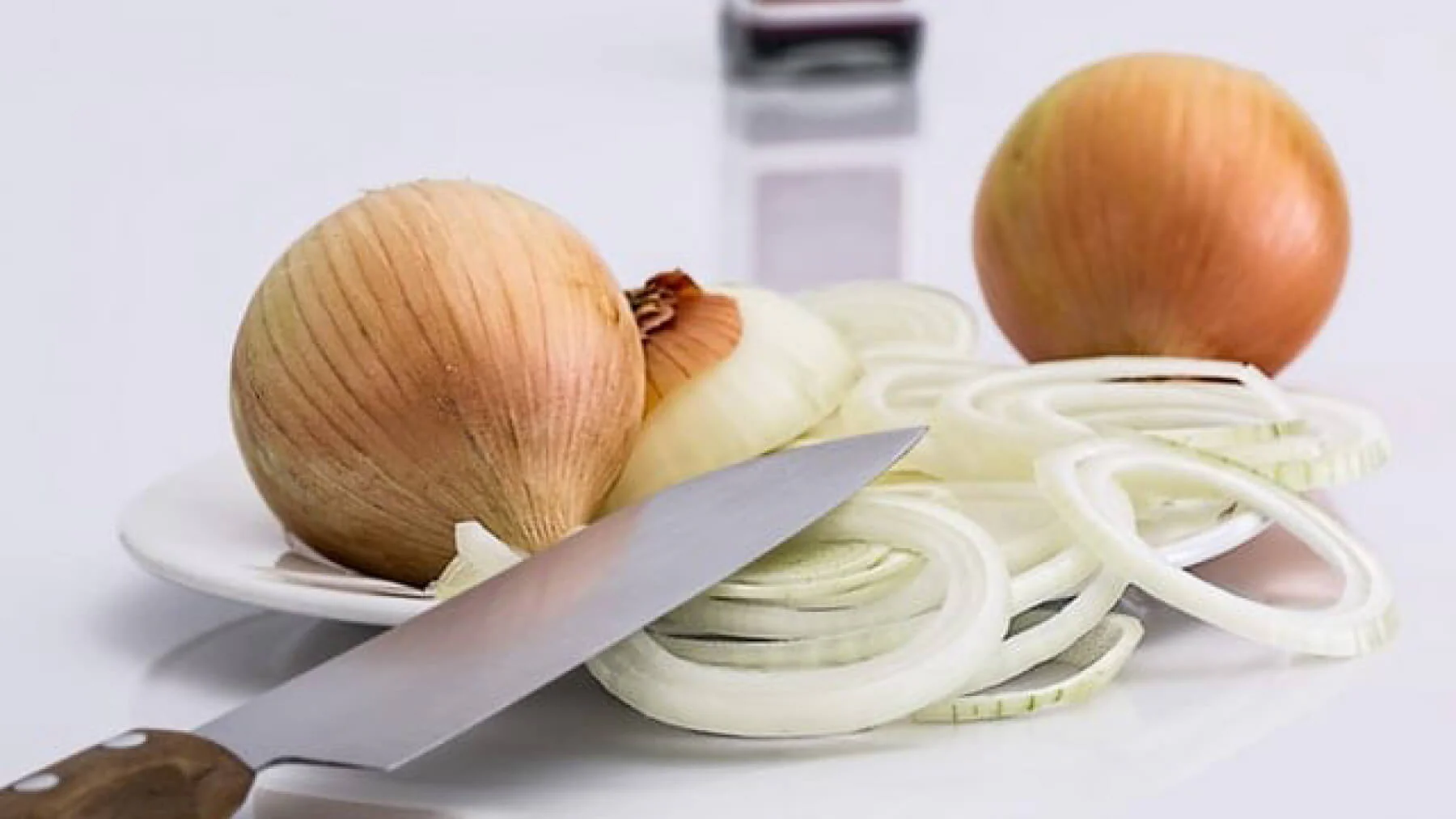
c) Onions
The N-propyldisulfide contained in onions acts similarly to the allicin contained in garlic. The symptoms are the same as those described for garlic.
Please note that in addition to garlic and onions, leeks, wild garlic, chives, and shallots also belong to the onion and leek family. None of these varieties should be fed. Akitas seem particularly sensitive to ingestion.
If you feed vegetable flakes, please ensure that they do not contain any leek or onion plants; these are often used for the sake of an attractive and healthy appearance.
3. Chocolate
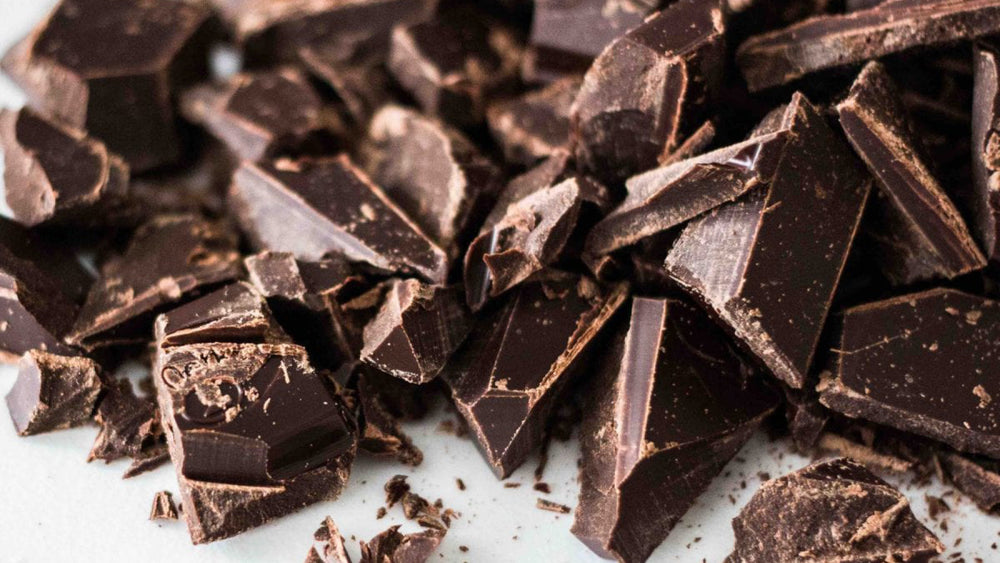
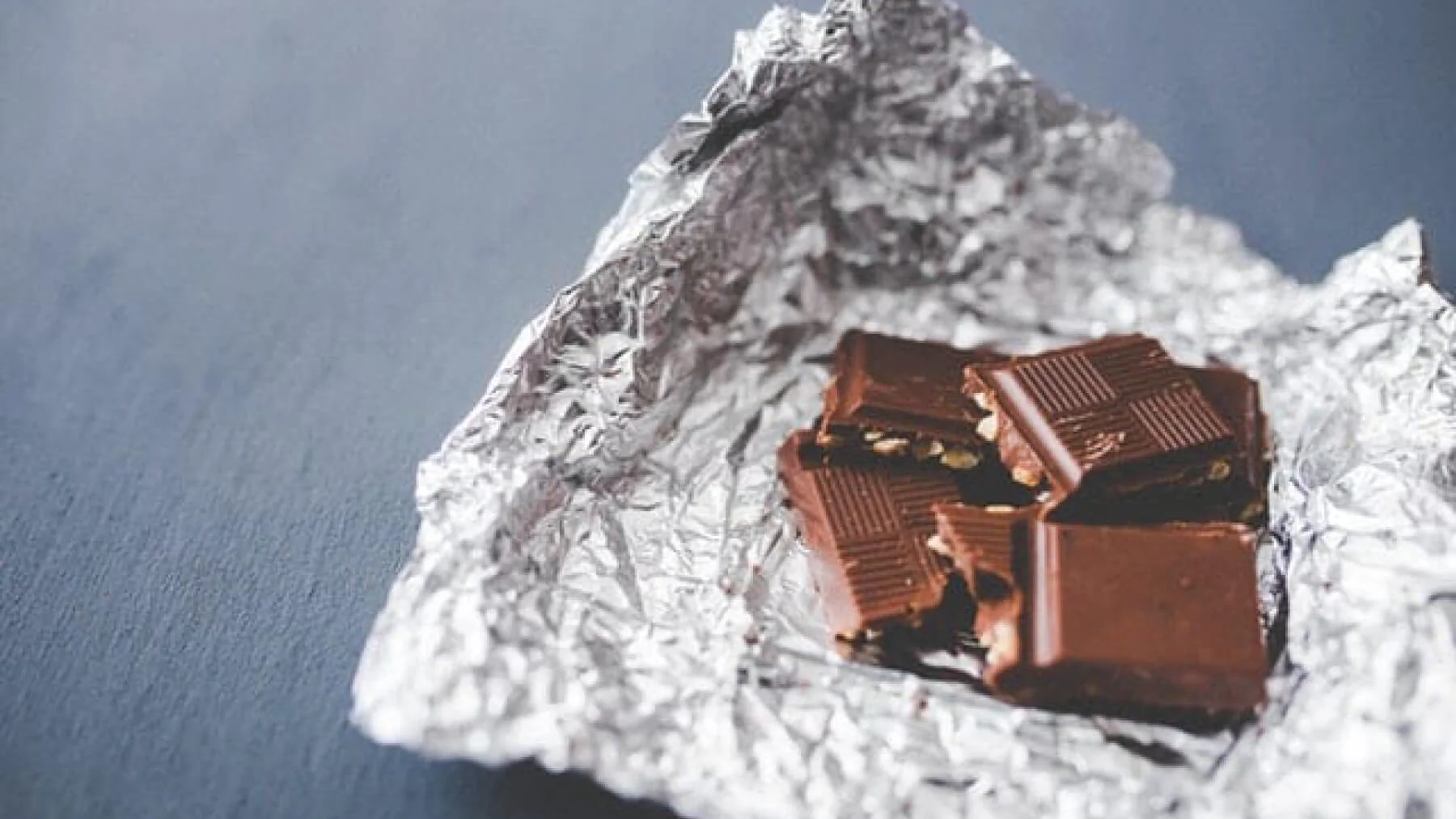
It wouldn't just taste delicious to us, but to many of our dogs as well, and many a dog has survived eating a chocolate Santa Claus; nonetheless, the theobromine contained in chocolate is toxic to our dogs. The darker the chocolate, the more dangerous it is.
Consumption of chocolate leads to symptoms such as vomiting, diarrhea, elevated body temperature, shortness of breath, and cardiac arrhythmias starting at a dosage of 20 mg/kg. At about 60 mg/kg, life-threatening conditions can occur. In the worst-case scenario, the dog can die from chocolate poisoning (about 100-250 mg/kg). Please never resort to chocolate when feeding rewards! It is better to offer them dried meat, pasta, or vegetables if you want to avoid conventional treats.
If you would like to supplement your dog's diet individually, please read our articles on suitable foods for dogs (parts 1-3). Here you can learn, for example, what dogs are allowed to eat as well as background information on the foods used.
You are welcome to contact us with any questions: kundenservice@vegdog.de
