

TIPS FOR A GOLDEN AUTUMN
Dreary, grey, dark – autumn has a bad reputation. Yet every season has its own very special charm, and autumn also has plenty of beauty in store that is waiting to be discovered together with your four-legged friend.
 Author: Alena
 Proofreader: Carla
TIPS FOR A GOLDEN AUTUMN
Dreary, grey, dark – autumn has a bad reputation. Yet every season has its own very special charm, and autumn also has plenty of wonderful things to offer that are just waiting to be discovered with your four-legged friend. Colorful trees, golden rays of sunshine, long walks. We have a few tips for you on how you and your furry friend can get through the autumn season.
Especially at the beginning of autumn, harvest mites appear and can cause unpleasant itching on our dogs' paws. Harvest mites feed on blood and skin particles. At least they are full after 24-72 hours and leave the host on their own. Unlike fleas, they do not infest the environment, meaning they are not transmitted to humans.
Nevertheless, we should free our furry friends from these annoying mites if they become infested. It doesn't just itch; biting and licking at the paws can also lead to bacterial infections.
You can recognize harvest mites by their orange-red color. If an infestation occurs, you should wash your dog's paws thoroughly and cool any itchy areas if necessary, as the dog should not be licking them. In the event of an infection (recognizable by weeping, red patches), you should consult your veterinarian.
To prevent harvest mites, keep the grass in your own garden as short as possible. Likewise, tick and flea prevention products from the vet's practice can prevent an infestation.
Some dogs like to play with chestnuts. This can be dangerous if your furry friend swallows the chestnut. It can get stuck in the esophagus or intestine, leading to an intestinal obstruction. Removing a chestnut can only be done surgically, which is a stressful procedure. Therefore, dogs should not play with chestnuts. In addition, when unripe, they – like acorns – contain toxic substances.
If your walking route takes you past many chestnut and oak trees and your dog tends to play with them, it is better to keep them on a leash.
The days are getting shorter and walks often take place at dusk or even in the dark. It is therefore all the more important that dogs can be seen and are visible. Glowing applications on collars or harnesses as well as reflective materials are very helpful here.
In autumn, our dogs slowly start to develop their "winter coat," and their fur begins to grow. You can support this by brushing your four-legged friend regularly. During this time, short-haired and small dogs may well get cold. You are therefore welcome to put a warm, water-resistant coat on them.
And if you are out and about for longer periods and your dog remains lying or sitting in one place for an extended time, you should provide them with an insulating mat.
After a nice autumn walk, you should check your furry friend's paws thoroughly. Not just because of the aforementioned harvest mites. Also, watch out for small branches or chestnut spines, which can be found on paths, especially in autumn, and can be unpleasant for your four-legged friend.
Significant temperature fluctuations can occur in autumn: everything from just over 20 degrees to single-digit values is possible. This can also put a strain on our dogs' immune systems. Respiratory diseases and gastrointestinal illnesses are not uncommon in autumn. Therefore, be a little cautious when in contact with unknown dogs.
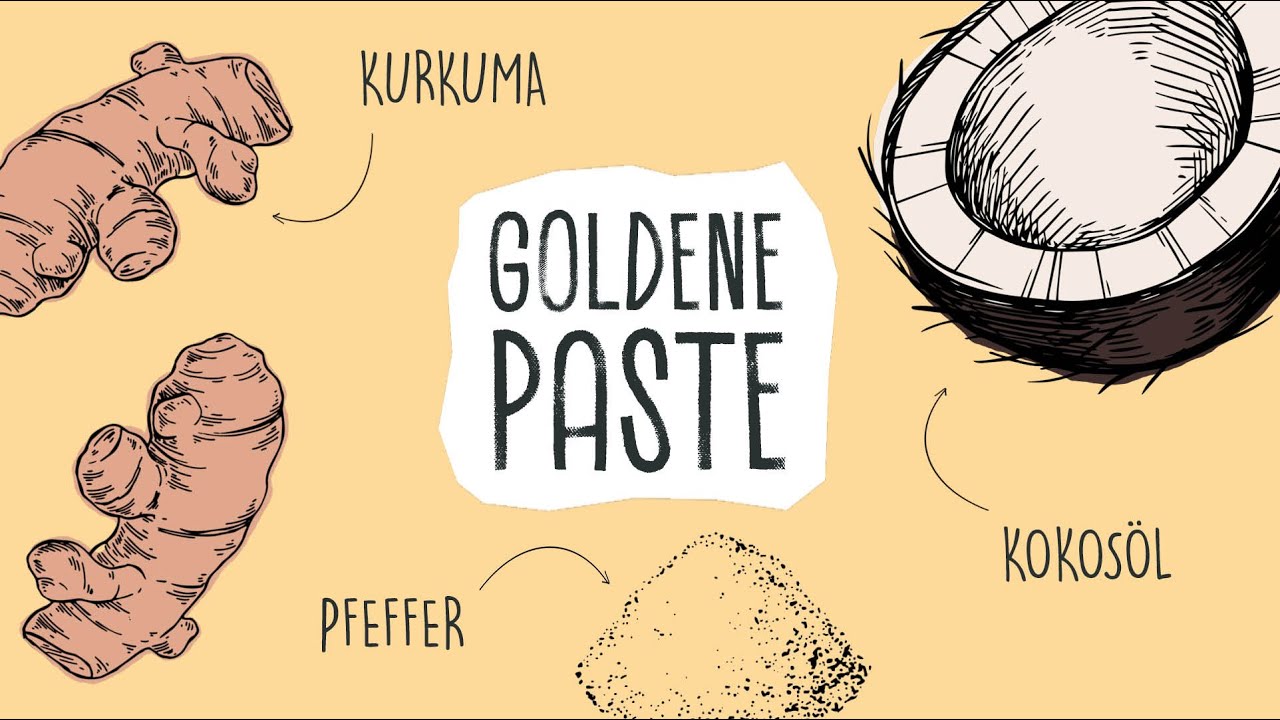
You can support your own immune system and that of your pet by conjuring up our Golden Paste. Another immune booster – and the perfect companion for autumn walks – are our VEGGIES immune with sea buckthorn and turmeric!
You can find the recipe for the Golden Paste on our blog or on YouTube:
Have fun making it and enjoy!
We wish you a wonderful autumn with vibrant colors, golden autumn sun, and many exciting discoveries!