
SUMMER, SUN, HOT PAWS!
To really enjoy the sun together with our four-legged friends, we would like to share our tips for a safe dog summer in this post, which we as caring dog owners should know and keep in mind.
 Author: Veronika
 Proofreader: Alena
SUMMER, SUN, HOT PAWS!
To make sure we can truly enjoy the sun together with our four-legged friends, we would like to share our tips for a safe dog summer in this post, which we as caring dog owners should know and keep in mind.
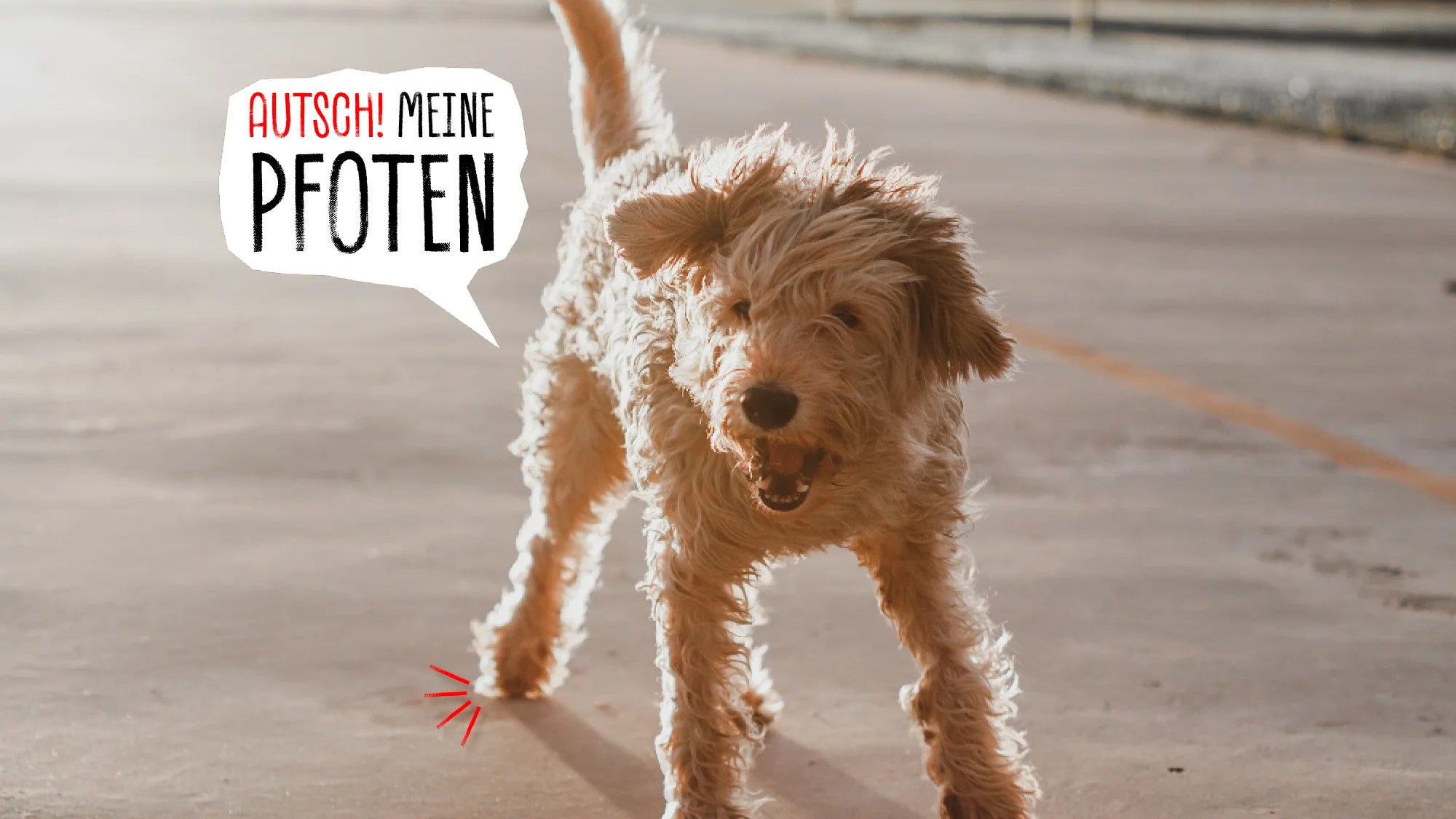
We know it ourselves: walking barefoot across hot asphalt can really hurt. We’d rather quickly put our flip-flops back on.
For our four-legged friends, hot asphalt can also mean agonizing pain. Be especially mindful of symptoms like pulling on the leash, restless stopping and whimpering, walking backwards, etc. These are not signs of disobedience, but rather an escape from severe pain.
You can easily check for yourself whether the asphalt is too hot: place the back of your hand on the asphalt. If you can stand to keep it there for seven seconds, it’s okay. However, if you can’t stand it, you should choose alternative routes! Head for the grass or off to shady places like the forest!
If there is no other option, then it’s time for protective boots for those precious little paws!
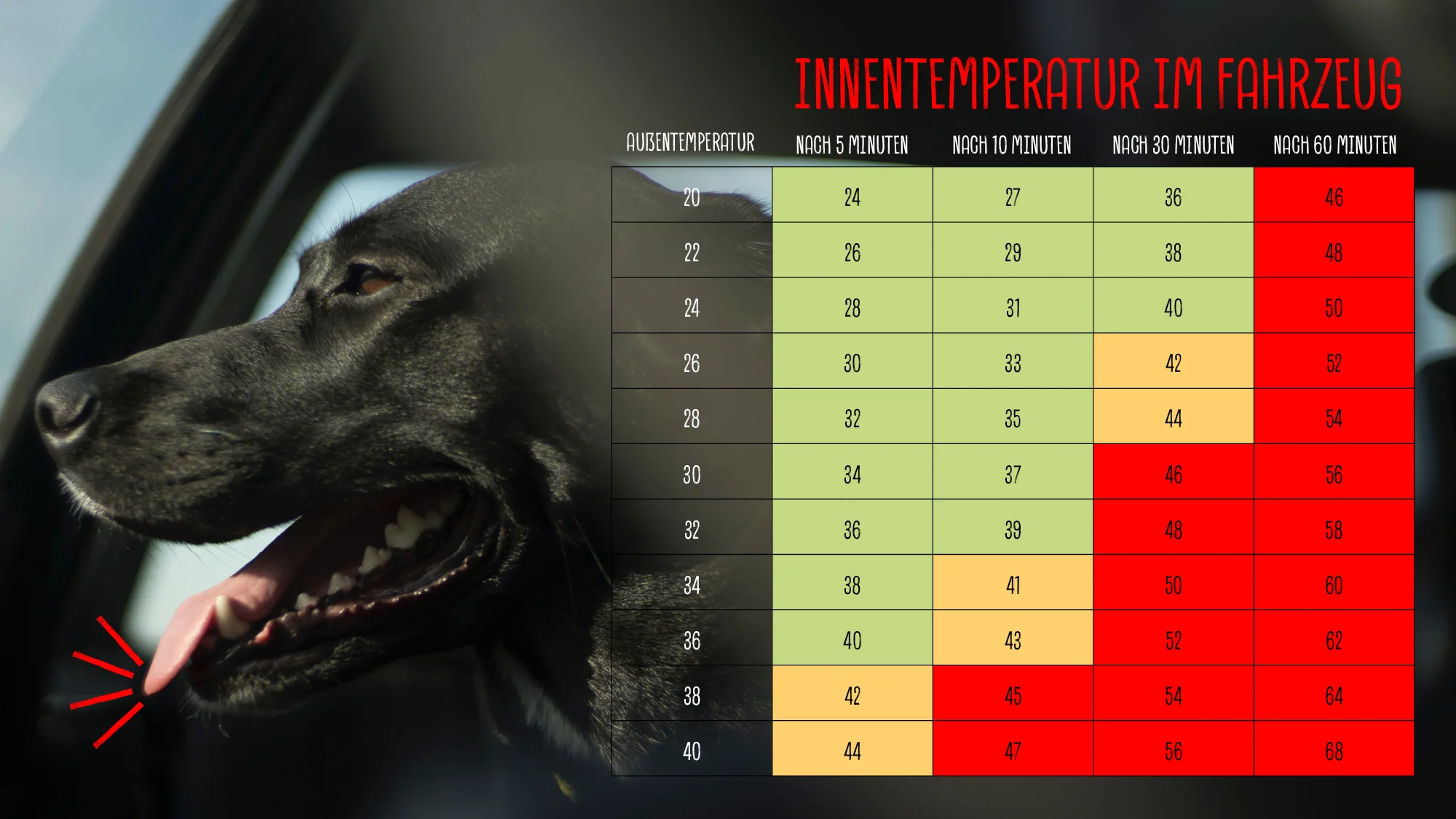
Just a quick errand after a long walk or a short break at a service station – but where does the dog go? “Oh, he can stay in the car for a little while,” is often the response.
In summer temperatures: Absolutely not!
Due to how quickly a car heats up and the already low oxygen levels, it can become a real ordeal for our dogs – which can lead to everything from circulatory collapse to death.
The alternatives: the dog stays at home while you shop, stays with friends, or you bring someone along to wait outside with the dog. At rest stops, there are dog exercise areas and shaded spots.
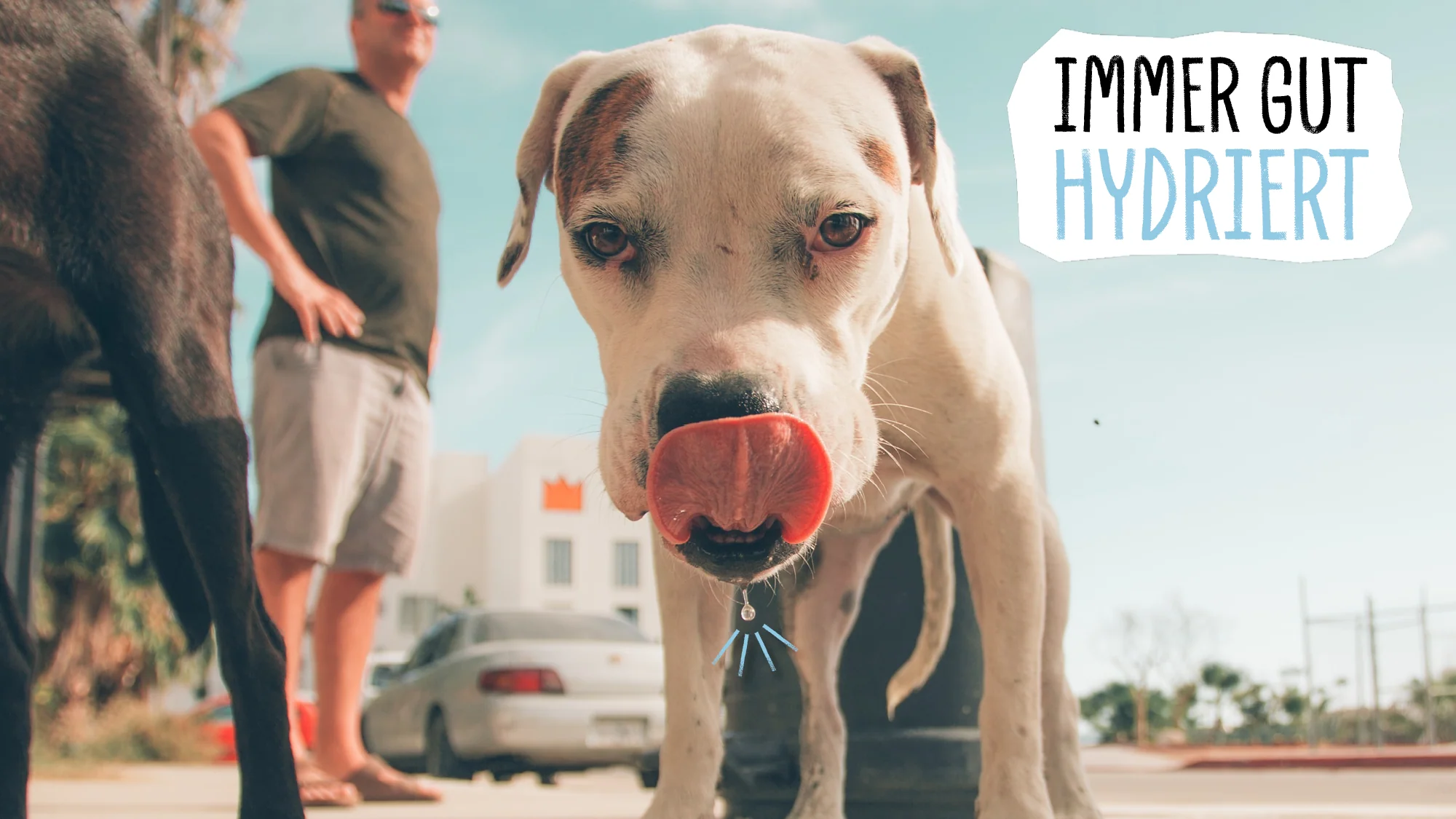
It's not just us humans who have an increased need for water at high temperatures; our dogs do too! Always make sure the water bowl is full and ensure there are opportunities to drink during outings and walks. Portable or even foldable bowls are a great companion for trips.
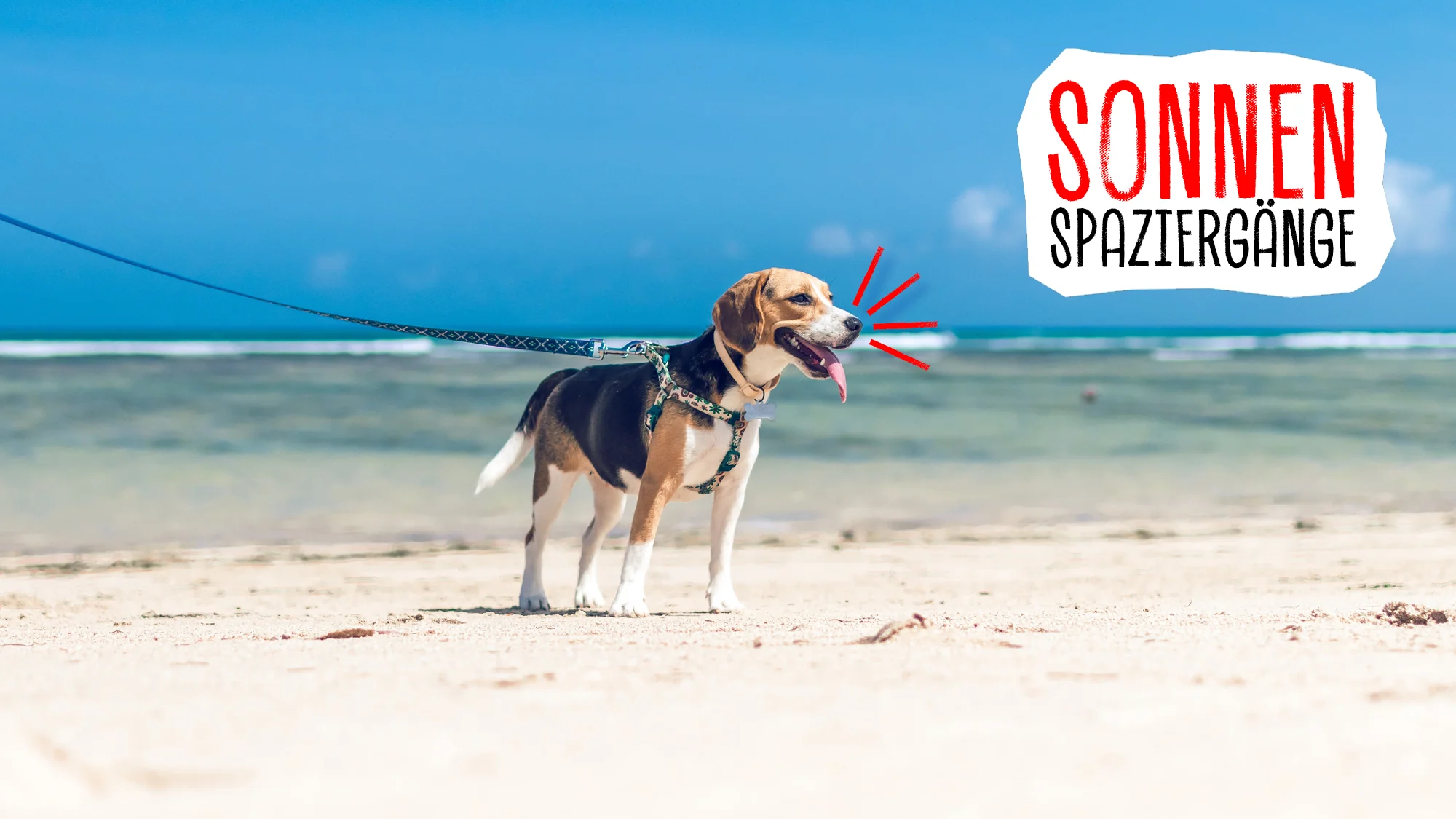
Fact: Dogs can also get sunburned or suffer from heatstroke. Light-haired dogs in particular are prone to sunburn on exposed areas of skin (nose, tips of ears, belly). What can you do? It is best to always get them out of the sun or apply sunscreen!
In summer, you should adjust the timing of your walks: a long walk in the morning and evening, and only a short trip for a quick bathroom break during the day. It is far too strenuous and exhausting for our furry friends in the blazing sun. A cool apartment or a shady spot in the garden is just the thing for them during the day!
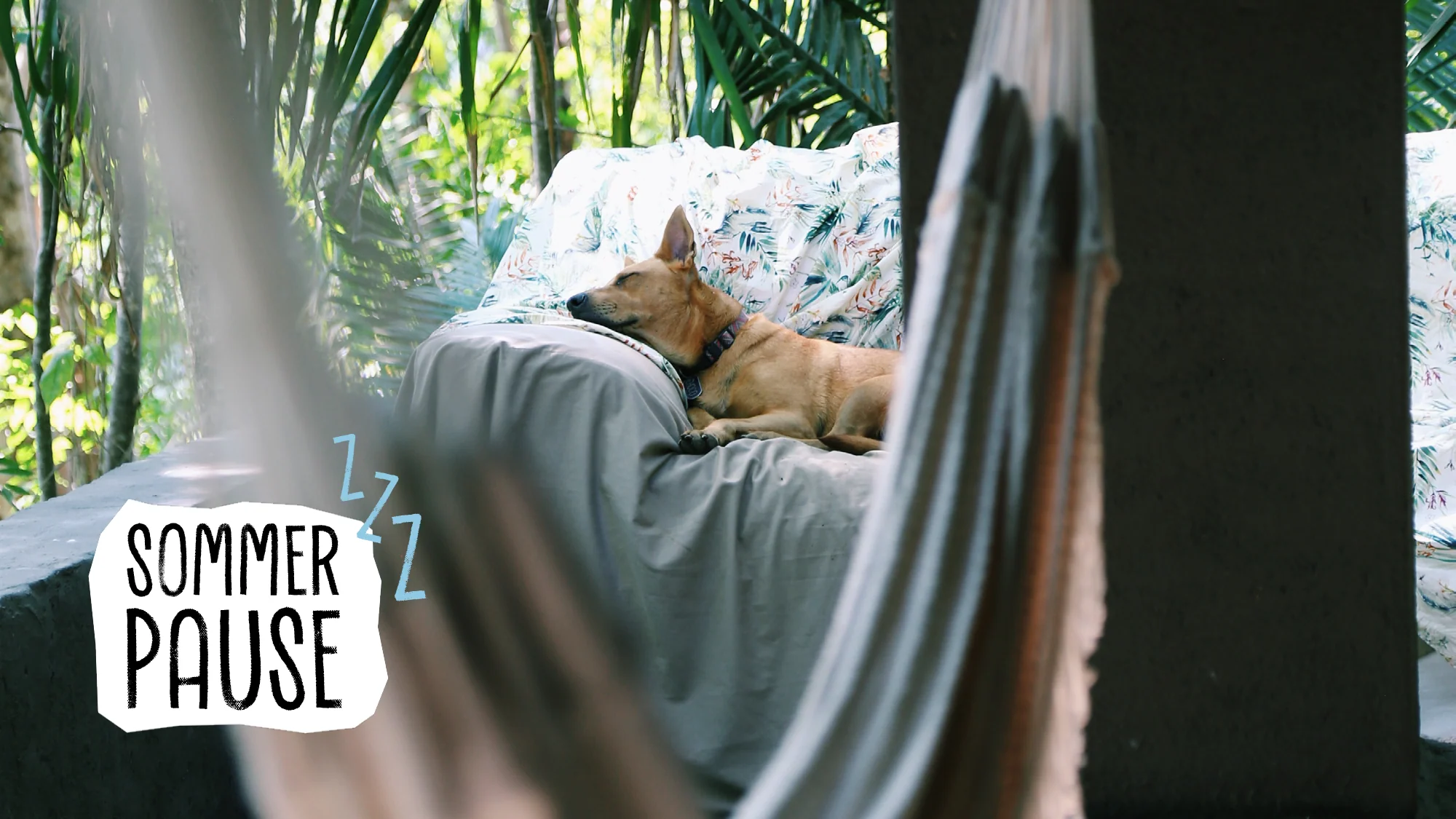
Just like our two-legged athletes, we should also grant our active four-legged friends a summer break. Agility, dog dancing, and hiking tours should be postponed to cooler days. That's good for fit muscles, too!
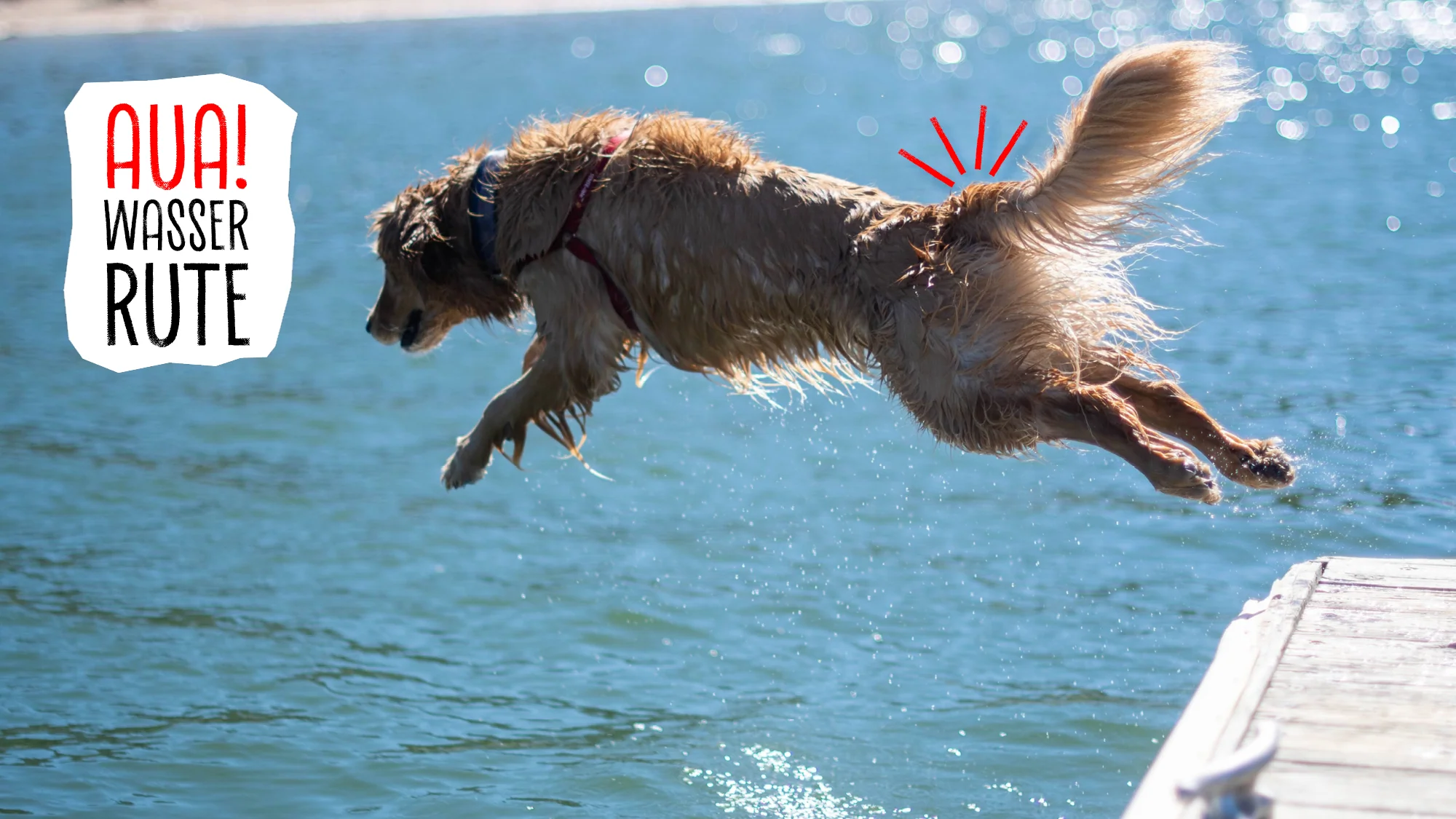
Attention water lovers: if our dogs love to go swimming, it can lead to muscle inflammation in the tail area, known as swimmer's tail. Since dogs use their tails to steer in the water and strain their muscles significantly while doing so, this frequently results in overexertion of the tail muscles. Symptoms include pain when wagging, which is why the dog only wags slightly or lets their tail hang down completely.
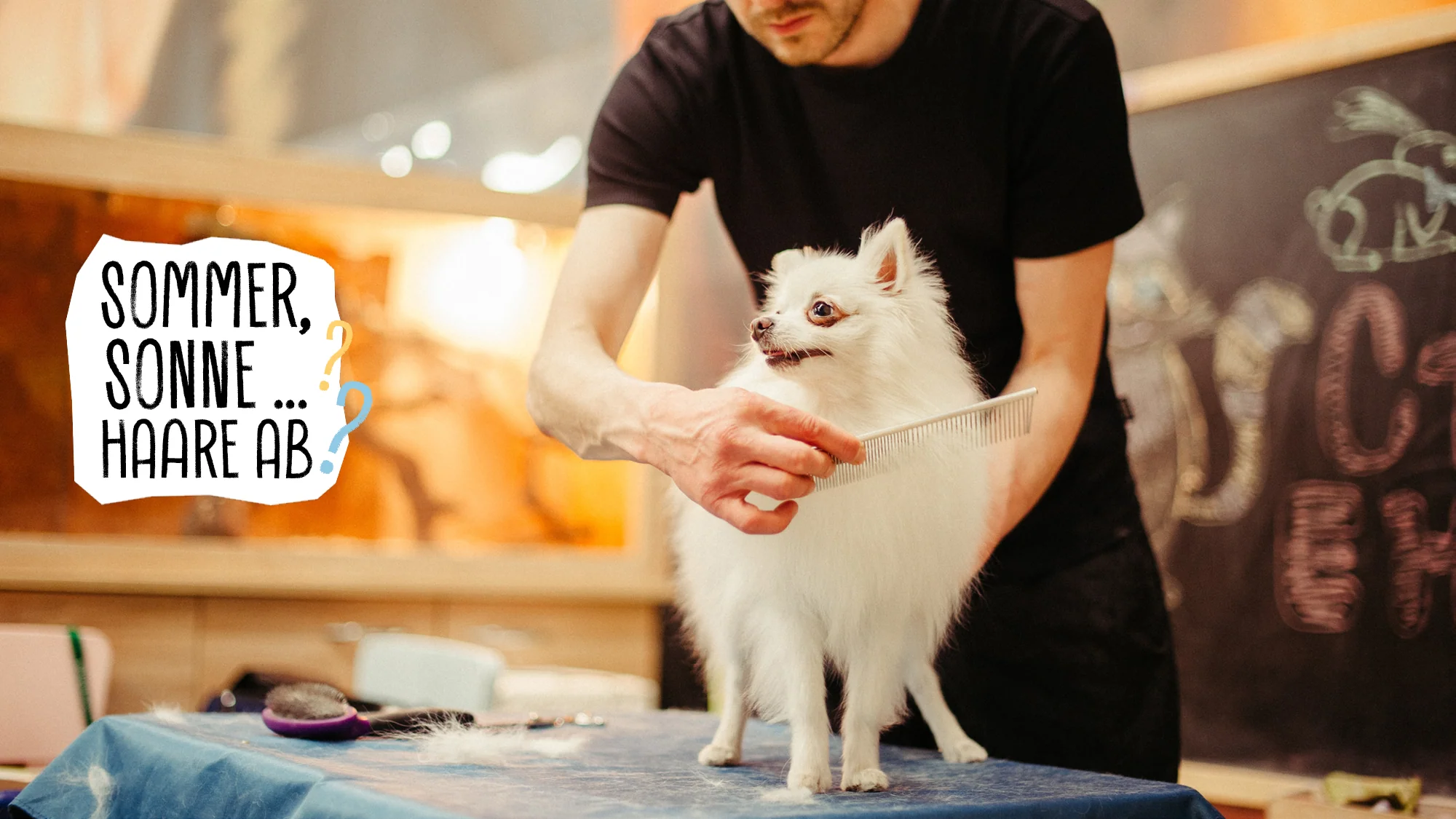
Sounds logical, right? Unfortunately, it isn't. The thick fur of some dogs, such as huskies, golden retrievers, and Bernese mountain dogs, does not just serve to insulate against the cold.
No, it should be seen as a double layer of protection: in winter it protects against the cold, and in summer against the heat!
A study in which long-haired dogs were photographed with a thermal imaging camera under sunlight before and after being shorn shows clearly: with thick fur, the dog's body appears light blue (cool) on the camera, but after being shorn – with short fur – it appears orange/red (hot).
So: what applies to us does not always apply to dogs – leave the thick coat on and cool your dog by taking it to a lake and keeping it in a cool place during the day. Thick undercoat can be combed out with the appropriate brushes if necessary.
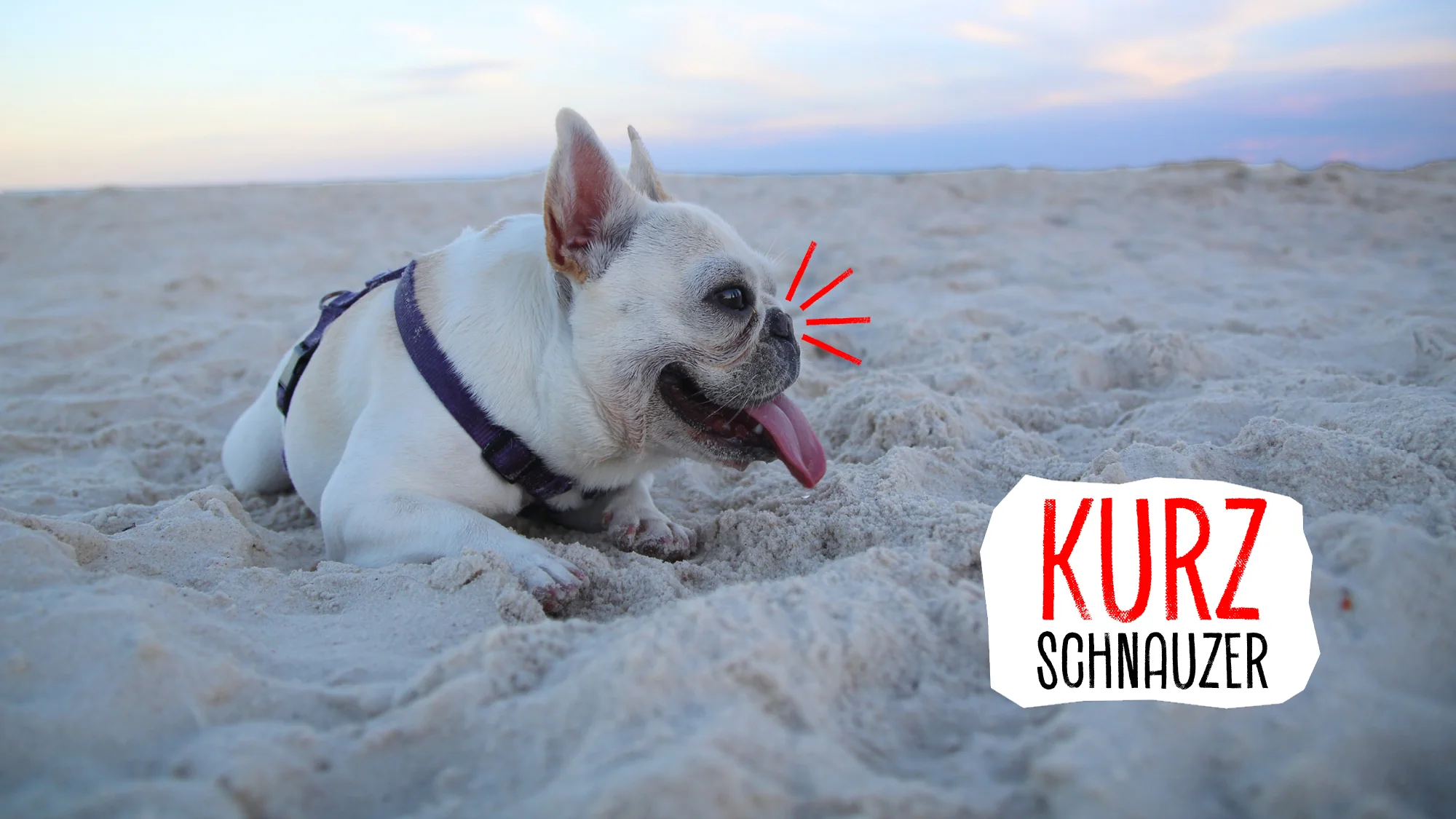
So-called "brachycephalic" or short-snouted dogs, in particular, struggle in these temperatures. Since their breathing is already difficult under normal conditions, it becomes even more challenging in extreme heat and with the necessary panting. Extra rest and cool places are essential here!
Are you taking your dog to the beach? Then we have some useful tips on what you should look out for so that you can enjoy your stay carefree:
- Ensure in good time that vaccinations (especially rabies) are up to date and be sure to remember the vaccination certificate – especially when crossing borders.
- To prevent infection with leishmania or heartworms, seek veterinary advice in advance on which preparations are suitable for protection against parasites such as sandflies.
- Watch your dog for overheating: excessive panting or lethargy are signs of this!
- Make sure that your dog does not drink salt water from the sea.
- It is recommended that you know where the nearest veterinary practices or animal clinics are in case of an emergency.
You can find more tips for the perfect dog holiday in this blog post.
…and now something to cool down our summer foodies: DOG ICE CREAM to make yourself! It’s even healthy! Take a look and try it out.
The VEGDOG team wishes you lots of fun and summer happiness together!