


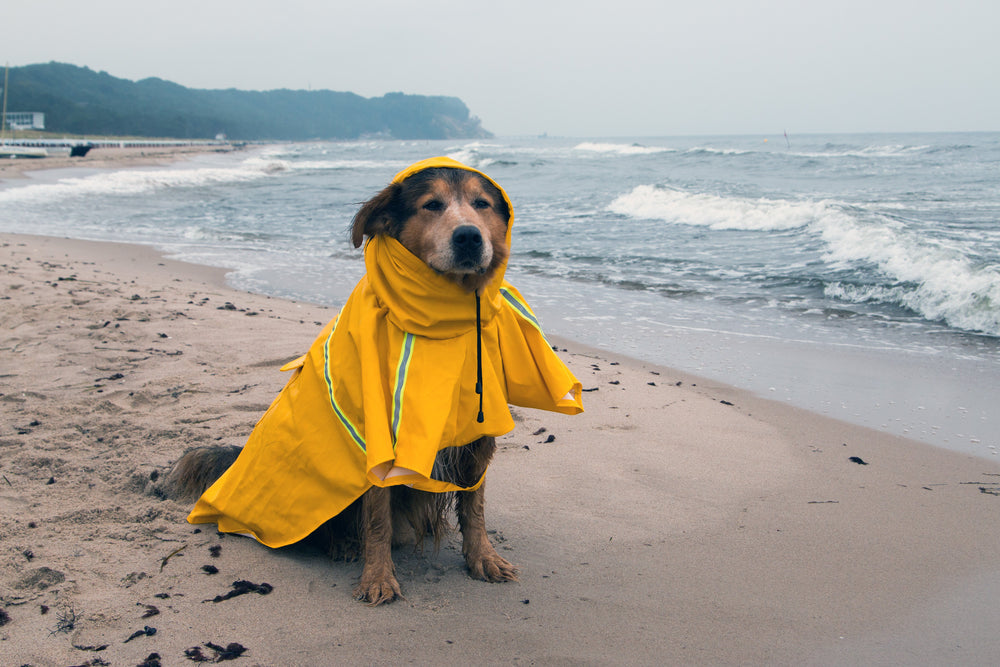
Dog raincoat: Practical or unnecessary?
Does your dog really need a coat in the rain? Find out which four-legged friends might benefit from a raincoat and what to look for in terms of fit, material, and features.
 Author: Selina
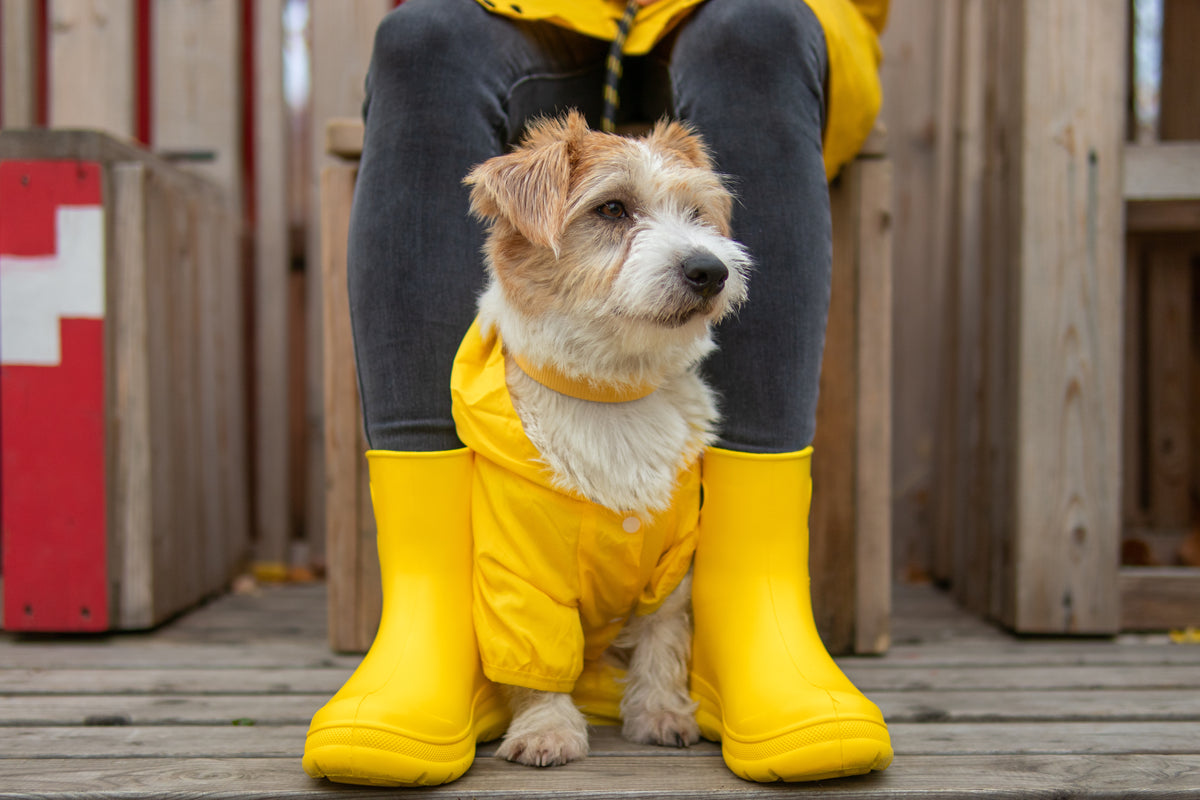
Rain is simply part of autumn – and with it often come wet fur, muddy paws and a little drying-off session after the walk. This naturally raises the question of whether a dog raincoat is more than just a fashionable accessory. In fact, extra protection from the rain can be useful for some four-legged friends. Here you will find out when a dog raincoat can be useful and what to look for when choosing one.
Does a dog need protection from the rain at all?
A few raindrops don't bother most dogs. Their coat already provides natural protection against the wind and weather. However, how well this works varies from dog to dog.
Thick fur with a lot of undercoat usually keeps moisture away from the skin for longer. With short or thin fur, however, wetness can reach the skin more quickly. A dog raincoat can also be comfortable during prolonged rain or low temperatures.
Another practical advantage: If you want to protect your dog from getting wet, a suitable jacket will often keep a larger part of their body dry. This can also mean less work with a towel and wet fur after the walk.
Which dogs need a raincoat?
Whether a dog raincoat is useful depends less on the breed than on the individual animal. Coat structure, body shape, activity level and weather all play a role.
A raincoat can be particularly useful for:
- dogs with short, thin fur or little undercoat
- small dogs whose bellies quickly get wet due to their proximity to the ground
- dogs that visibly dislike staying outside for long in the rain
- older dogs that move around less in bad weather
- dogs whose long fur absorbs a lot of water and dirt
A sturdy dog with a thick undercoat, on the other hand, often does not need an extra coat for a short walk in the drizzle. The deciding factor is therefore not what other dogs wear, but what makes your dog feel comfortable.
A dog coat for autumn: What matters
A good dog coat for autumn should above all fit comfortably and not restrict natural movement. At the same time, the material should be as waterproof as possible or reliably water-repellent.
Models with belly protection are particularly practical. They keep not only rain, but also splashes and mud away from the lower part of the body. This can make a noticeable difference for long-haired or low-slung dogs.
A dog coat for autumn should also offer sufficient freedom of movement at the shoulders and legs. If the fabric chafes or the jacket fits too tightly, the walk will quickly become unpleasant.
With legs, a hood or fleece: Which style is right?
Dog raincoats come in many different styles. Which style is best suited to your dog depends above all on their coat, body shape and the weather.
A raincoat with legs covers a larger part of the body and therefore keeps more fur free from moisture and dirt. This can be particularly practical for long-haired dogs. However, it is important that the jacket fits well and does not restrict your dog's movement while walking.
Models with a hood additionally protect the head and neck from rain. However, some dogs find a hood bothersome. It should therefore be cut so that vision, hearing and freedom of movement are not impaired.
For colder autumn days, a lined raincoat or a fleece model can be useful. It not only protects against moisture but also provides extra warmth. In mild temperatures, however, a lightweight, unlined version is usually sufficient.
Practical details: Harness and visibility
Before buying, it is also worth taking a look at the small details. If your dog normally wears a harness, the coat should be able to be used with one without any problems. Some models have an opening on the back through which the leash can be attached to the harness.
Especially in autumn, it gets dark early. If the dog raincoat is reflective, it can help make your dog more visible in road traffic. Reflective elements are, of course, no substitute for safe handling, but they are a practical extra.
How to get your dog used to the raincoat
Not every dog is immediately enthusiastic when a coat is suddenly pulled over their head and back. It is therefore best to introduce your four-legged friend to it in small steps and combine putting it on with something pleasant. Small VEGDOG snacks can also help.
- Let your dog look at the coat and sniff it at first.
- Reward calm behaviour with a small snack.
- At first, only put the coat on for a short time and gradually increase the duration.
- Make sure that your dog remains relaxed and can move freely.
This way, the dog raincoat can gradually become a completely normal part of the walking routine. Our Pops, Mini Pures and Levervurst are suitable for rewarding, as they can be given out easily in between.
Dog raincoat: Comfort instead of a mandatory item
A dog raincoat is not a must-have, but it can make a real difference on unpleasant days. The deciding factor is whether your dog feels comfortable in it and whether the extra protection is suitable for the weather, coat type and activity level.
Therefore, think of the coat less as standard equipment and more as a practical option for certain situations. If the fit and material are right, you will be well prepared for grey rainy days too and can enjoy your walks in a relaxed way.