

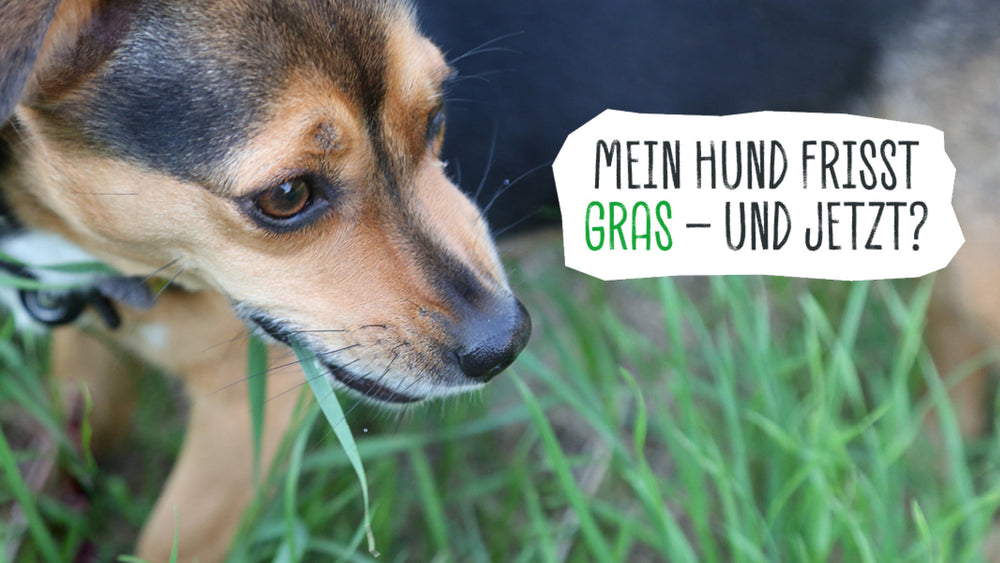
MY DOG IS EATING GRASS – NOW WHAT?
 Author: Alena
 Proofreader: Carla
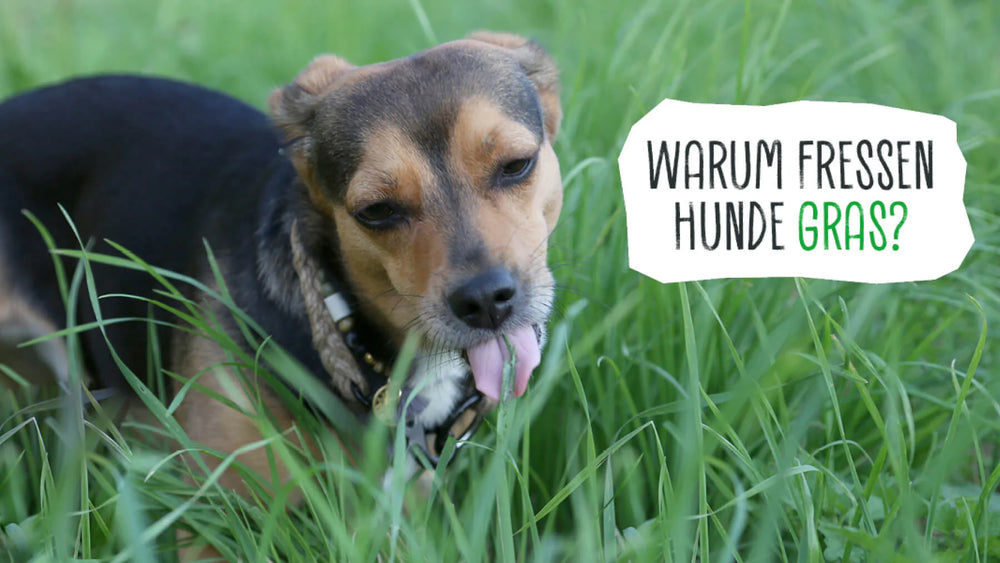
In spring, it can happen that dogs become interested in thefresh grass. It looks so tasty, it simply must be tried. However, this interest usually fades after a short time.
For some dogs, eating grass also has acalmingeffect, especially in stressful situations. What is meditation for us is “grazing” for your dog.
If your dog eats grass regularly, however, there may be an underlying health issue:gastritis(inflammation of the stomach lining) or another stomach disorder (e.g.,chronic acidity) can cause your dog discomfort. In this case,stressor animproper distribution of macronutrients(proteins, carbohydrates, fats) can be the culprit.Too long intervals between feedingscan also lead to these conditions. These can arise primarily due to the overnight rest period.
It is also possible that your dog isnauseousor is reacting toincompatible food ingredients. Should this be the case, your dog is trying toinduce vomitingby eating grass in order to expel the incompatible components.

What now?
So, what should you do if your dog starts "grazing"? Under no circumstances should you scold your dog. If they eat grass regularly, you should take them to your veterinarian to have them checked for possible intolerances, etc. The result of the examination may be that you need to adjust their diet: feeding times, intervals, the distribution of macronutrients, or the elimination of ingredients they are intolerant to. It is possible, for example, that you may need to switch their food or feed your dog more frequently, but in smaller portions. In general, you should always aim to keep your furry friend's stress level as low as possible.