

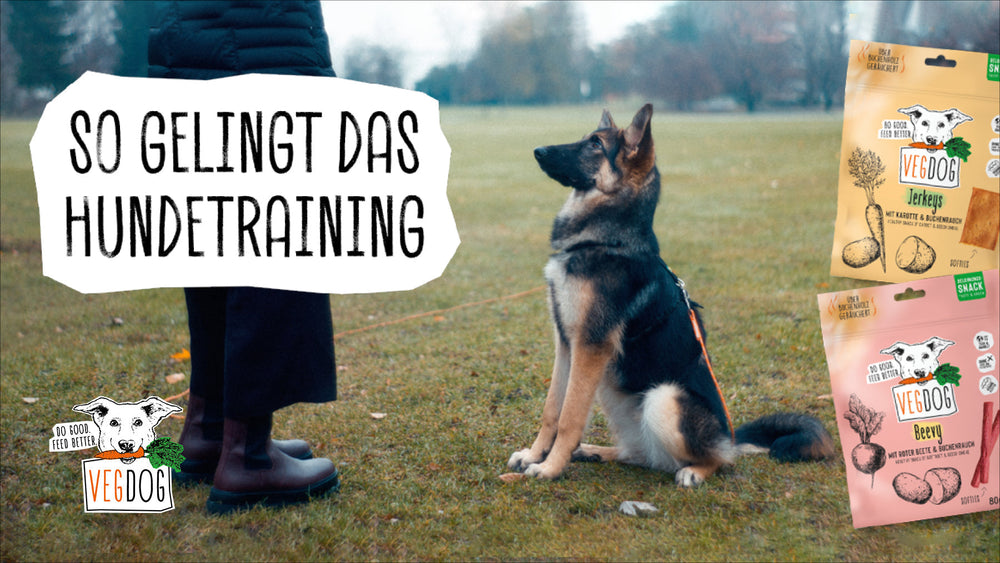
HOW TO SUCCEED AT DOG TRAINING
To ensure you and your dog achieve the success you desire, we have valuable tips for successful training with your four-legged friend.
 Author: Alena
 Proofreader: Veronika
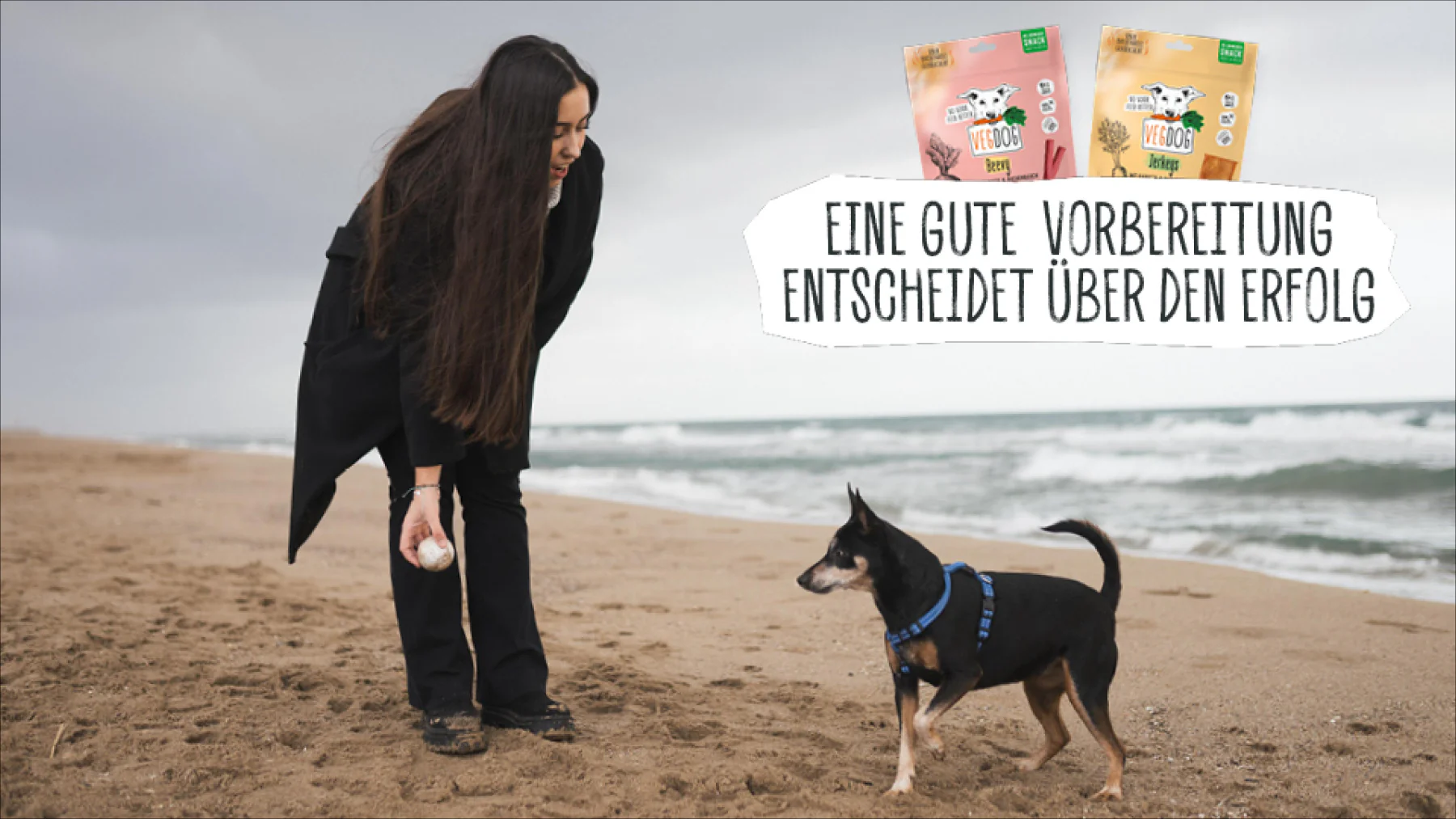
Before training with your dog, it is important that the "setting" is right.
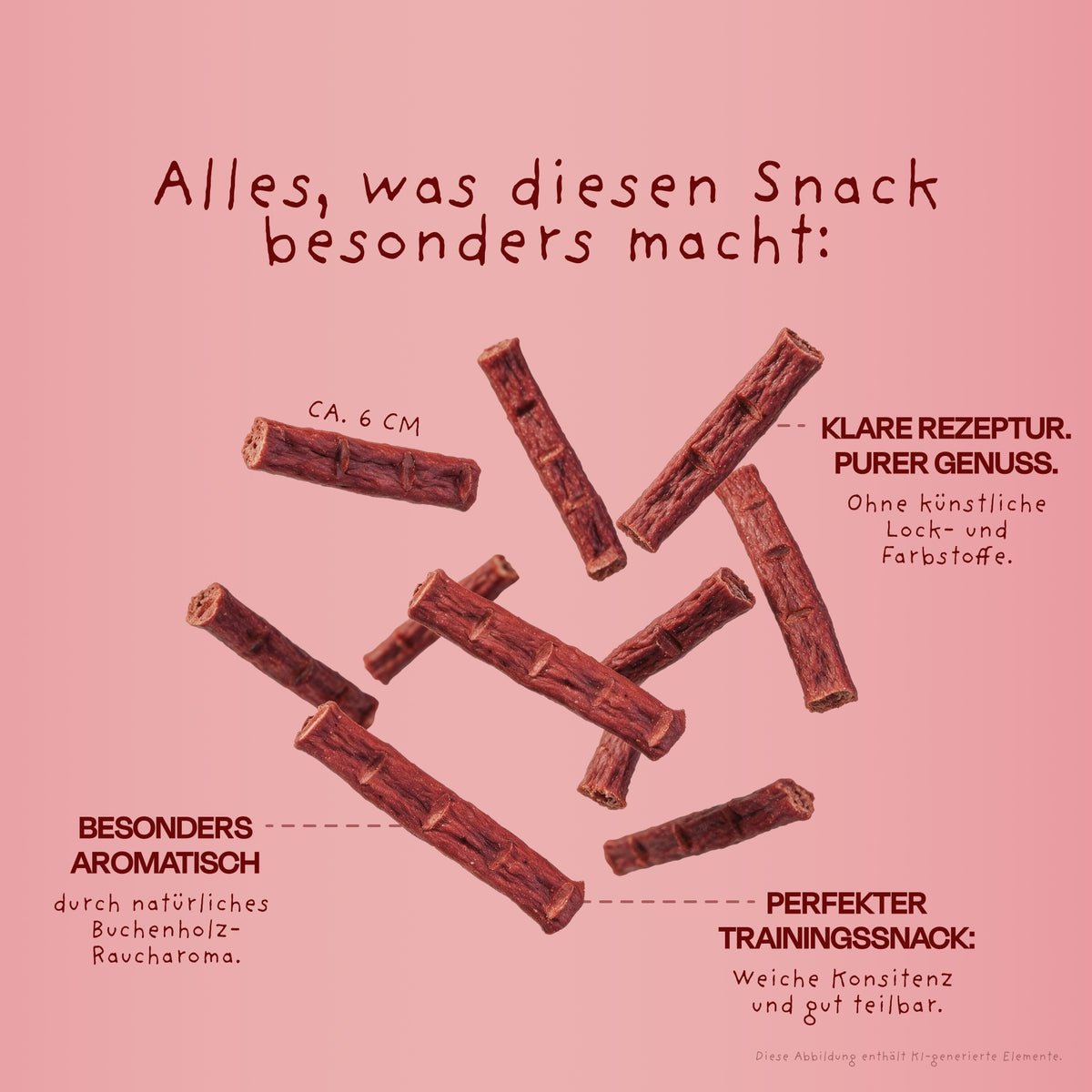
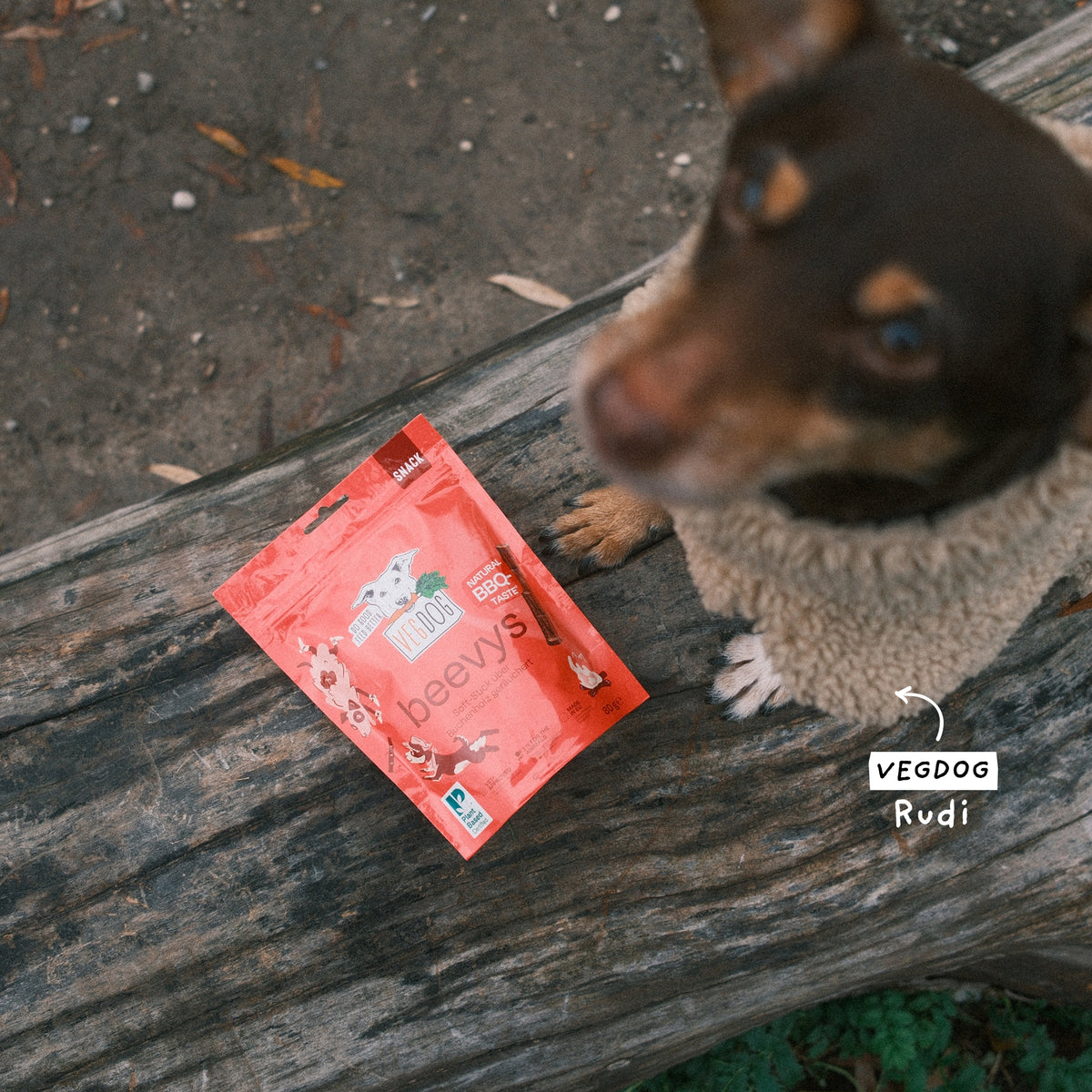
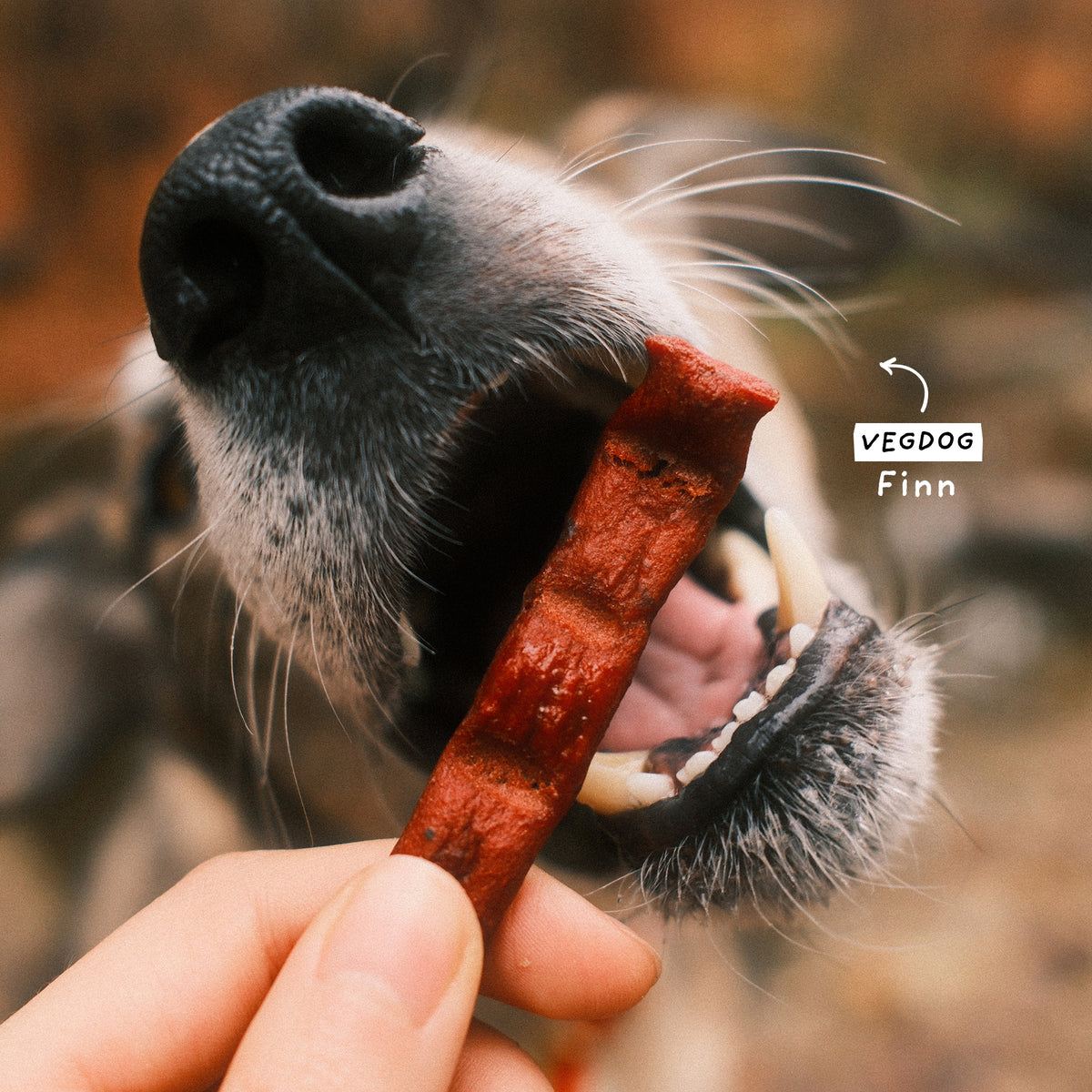
This includes making sure you have the reward with you that is tailored to your dog. Does he prefer being rewarded with a toy rather than a snack? Then pack his favorite toy. Will he do anything for treats? Then those must not be missing. By the way: our absolute jackpot snacks BEEVYS and JERKEYS are particularly well-suited for training. Thanks to their special aroma, which comes solely from smoking over beech wood, they turn every dog's head! Try it out now and see if your dog becomes a model student too!









It doesn't always have to be snacks: yourcheerful voiceand a happy tone can also be a reward for your dog.
Furthermore, yourown moodis important: Are you in a good mood and motivated? Your dog will notice that, too!
In addition, theenvironmentmatters and must be adapted to the training situation or training goal. For example: how much distraction is allowed or desired.
It is also important that you yourself are informed about the structure and steps of the training.
Absolutely avoid using your dog's name as a command. If you want to call your dog, for example, use the appropriate command instead of repeatedly calling your dog's name.
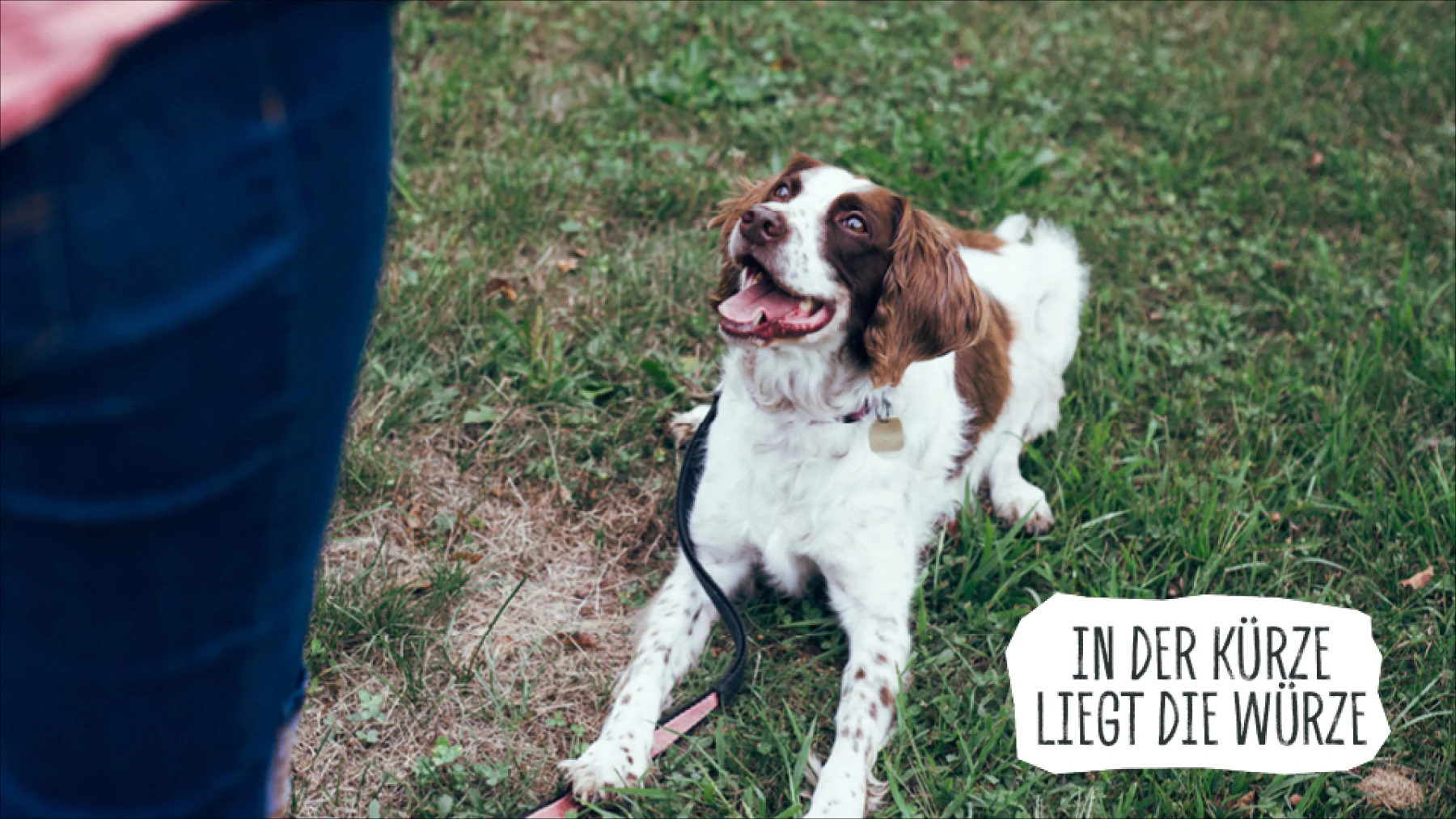
Hours of dog training? Not a chance! Short and snappy is more effective, as it allows the dog to stay focused, avoids overexertion, and prevents fatigue during the session.
In this way, an exercise remains exciting and the dog stays motivated to repeat it in the next training session.
A possible training rhythm:
- 1-2 minutes of training
- 1-2 minutes of rest
- 1-2 minutes of training
You can either take another break afterward or end the training there. You should make sure that you train for a total of 5-10 minutes (including breaks).
Of course, the appropriate training rhythm is highly individual, and the right duration depends heavily on the specific dog: how strenuous is the exercise? How much is your dog enjoying it? What is their experience level?

Even if it is sometimes difficult and your ambition drives you:Take breaks! They are frequently underestimated, yet they are especially important! Because it is precisely during these breaks that training success is often greatest. The brain needs this time to process what has been trained. In this way, you make the most effective use of the so-called learning curve. After the rise in the learning curve during a training success, it dips slightly during the processing phase. This allows it to level off at a stable plateau once the training goal is reached. The better you know your dog, the easier it will be for you to train in harmony with the learning curve.
Longer breaks are also very effective in training: When you begin a new exercise with your dog, practice it for two or three days in a row and then not at all for a few days. You will see: your dog will be highly motivated as soon as training resumes.
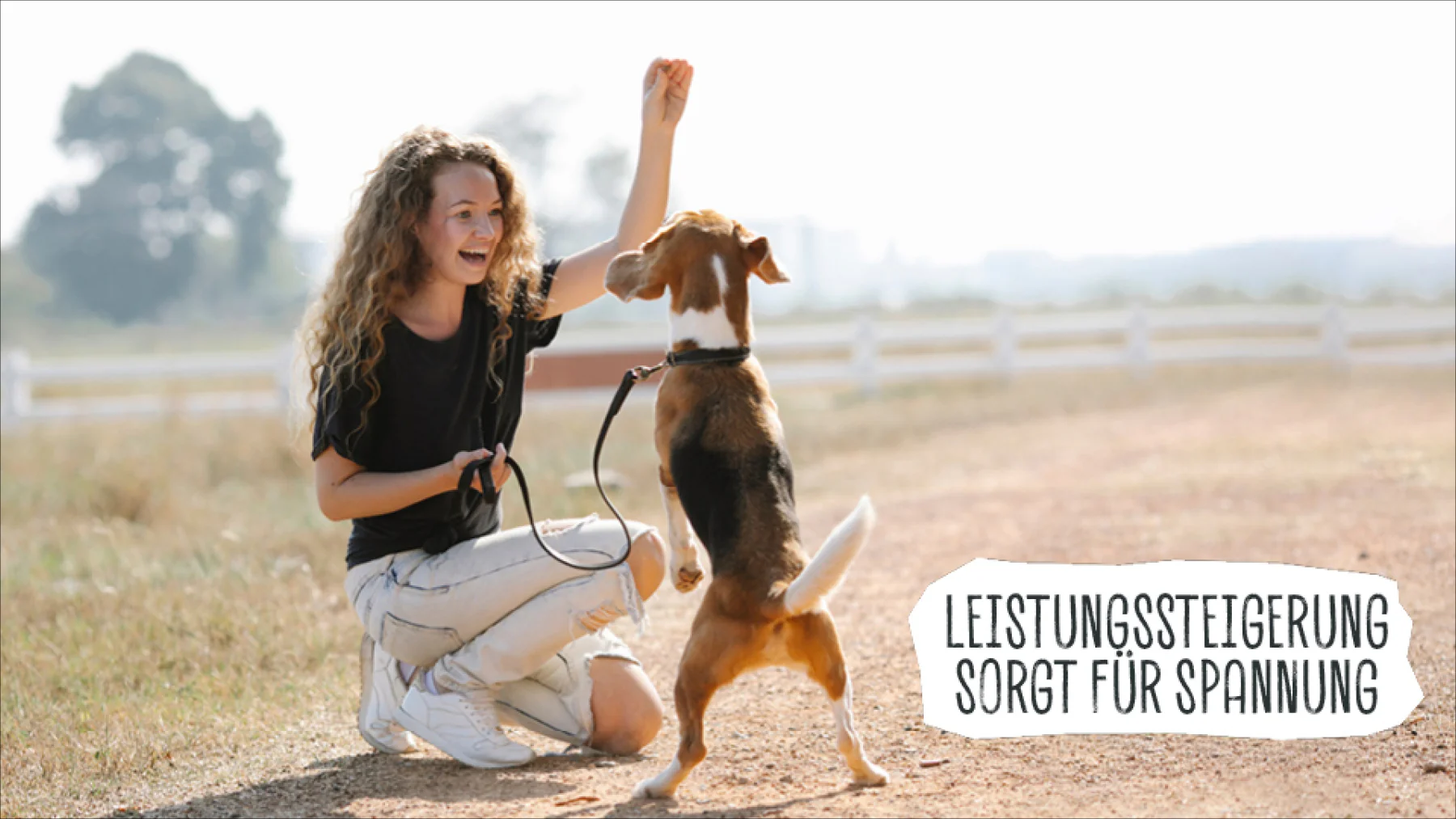
You maintain excitement during training by continuously increasing the difficulty level of an exercise. It is important, however, that this increase happens in small steps so that you do not overwhelm your dog. The most important thing: Have fun while training together.
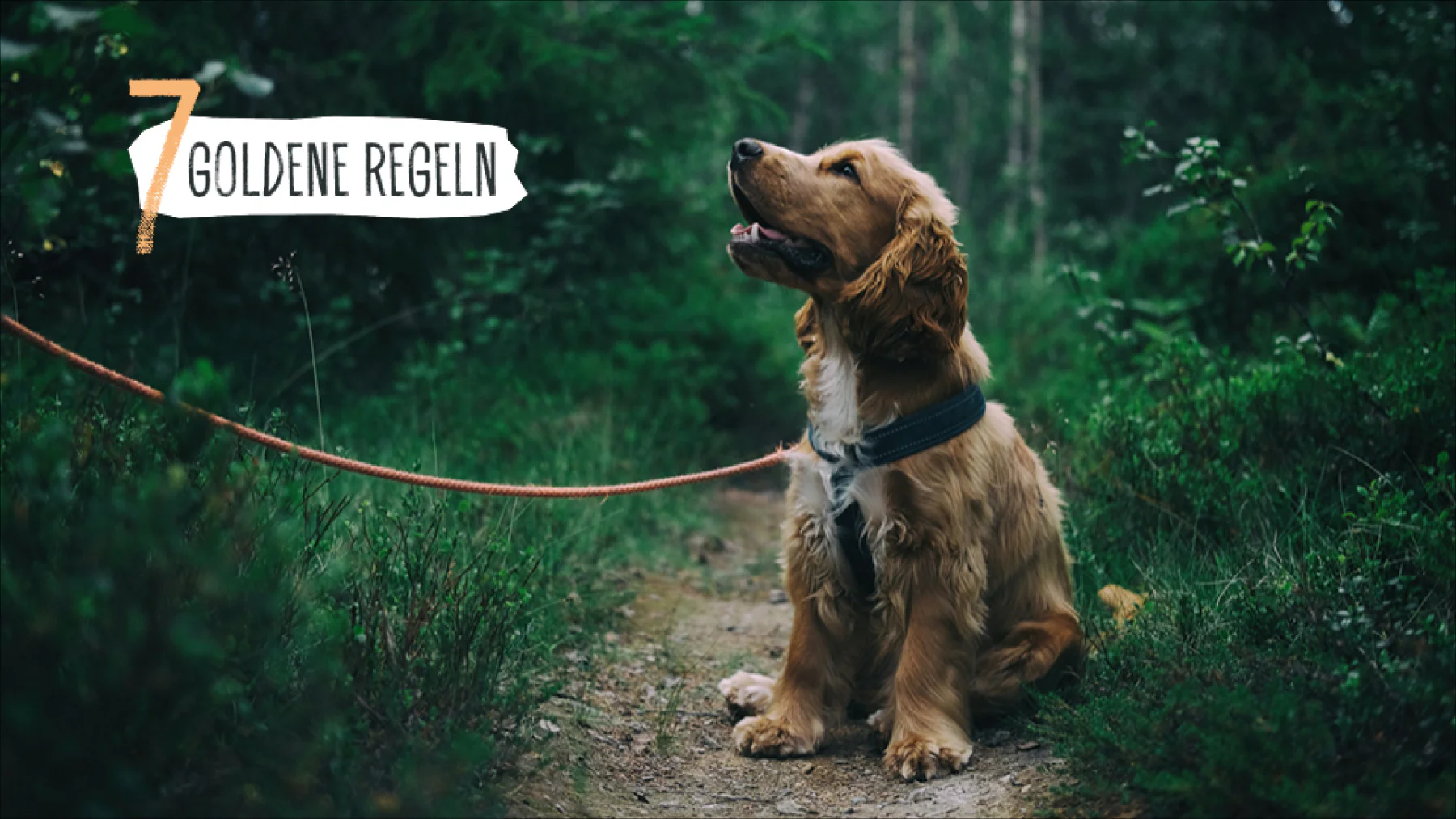
To integrate even more success and joy into your life with your dog, we have seven golden rules for you:
1. LIVE WITH YOUR DOG AT EYE LEVELIt is not crucial that you act like the alpha and make it clear to your dog that they are subordinate to you. As a rule, a dog is a member of the family. What is important is that you provide your dog with security and guide them responsibly through the world.
2. RESPECT YOUR DOGYour dog is a living being with their own character, which should be taken into account. Like humans, this is characterized by emotions, experiences, and individual motivations. Take this into consideration during training as well.
3. CELEBRATE YOUR DOG'S SUCCESSESPositive reinforcement increases training success. After all, we know from our own experience that, for example, there is a celebration when completing an education. Your dog also appreciates it when you specifically acknowledge their big and small achievements.
4. UNDERSTAND YOUR DOGTraining is much easier if you know and understand your dog. Pay attention to their body language, read their emotions, and respond to them. Specialist literature offers a good basis for a fundamental understanding.
5. DO NOT PRETEND AROUND YOUR DOGDogs are very sensitive to human emotions. If you are not doing well, your dog will notice. Dogs can also read our body language very well. When our words and our body language contradict each other, our dogs notice. So be honest with your dog and show them how you are feeling.
6. ADDRESS YOUR DOG'S NEEDSJust like us humans, dogs have their own individual needs. These include the basic needs for food, water, and a safe place to sleep, but they also go beyond that: they need social contact, exercise, security, and more. This naturally varies from dog to dog. Get to know your dog and give them what they need.










7. DON'T UNDERESTIMATE YOUR DOGIt has been scientifically proven that dogs possess enormous cognitive abilities. They can learn quickly and demonstrate a variety of strategies in doing so. We wish you and your furry friend lots of fun and success with your training!