

Suitable foods for dogs – Oils
Part 2: Which oils are good for dogs and why?
In the second part of our series “Suitable foods for dogs,” we look at “oil” as an important source of energy and a provider of essential fatty acids.
You can read the basics about structure, functions, as well as examples of suitable oils for dogs here.
 Author: Alena
 Proofreader: Carla
Structure and classification of fats Fats are compounds of individual fatty acids and glycerin. Depending on whether double bonds are present between the carbon atoms or not, they are referred to as "unsaturated" (e.g., vegetable oil) or "saturated" fatty acids (e.g., butter). The double bonds are relatively sensitive to external influences. For this reason, they should be protected from light and oxygen to reduce oxidation, as this leads to rancidity. The number of carbon atoms varies, leading to the classification into short-, medium-, and long-chain fatty acids. In general: The more carbon atoms and the more double bonds a fatty acid has, the more sensitive it is. The function of oil as an energy source Oil has a wide variety of functions for the body. For one, oil is an excellent energy source. You can significantly increase the energy content of the ration with this foodstuff without upsetting the nutrient balance. If your dog tolerates oil well, you are welcome to add some oil to their prepared food. You do not need to worry that the nutrients will no longer be in the correct ratio. The amount of oil should be adjusted individually to the animal, but should not exceed 1g of oil/kg of body mass/day. Caution is advised with certain illnesses, e.g., dogs that have previously suffered from pancreatitis. These animals should be fed a low-fat diet if possible. In such cases, please ask your veterinarian for advice!
Pumpkin seed oil
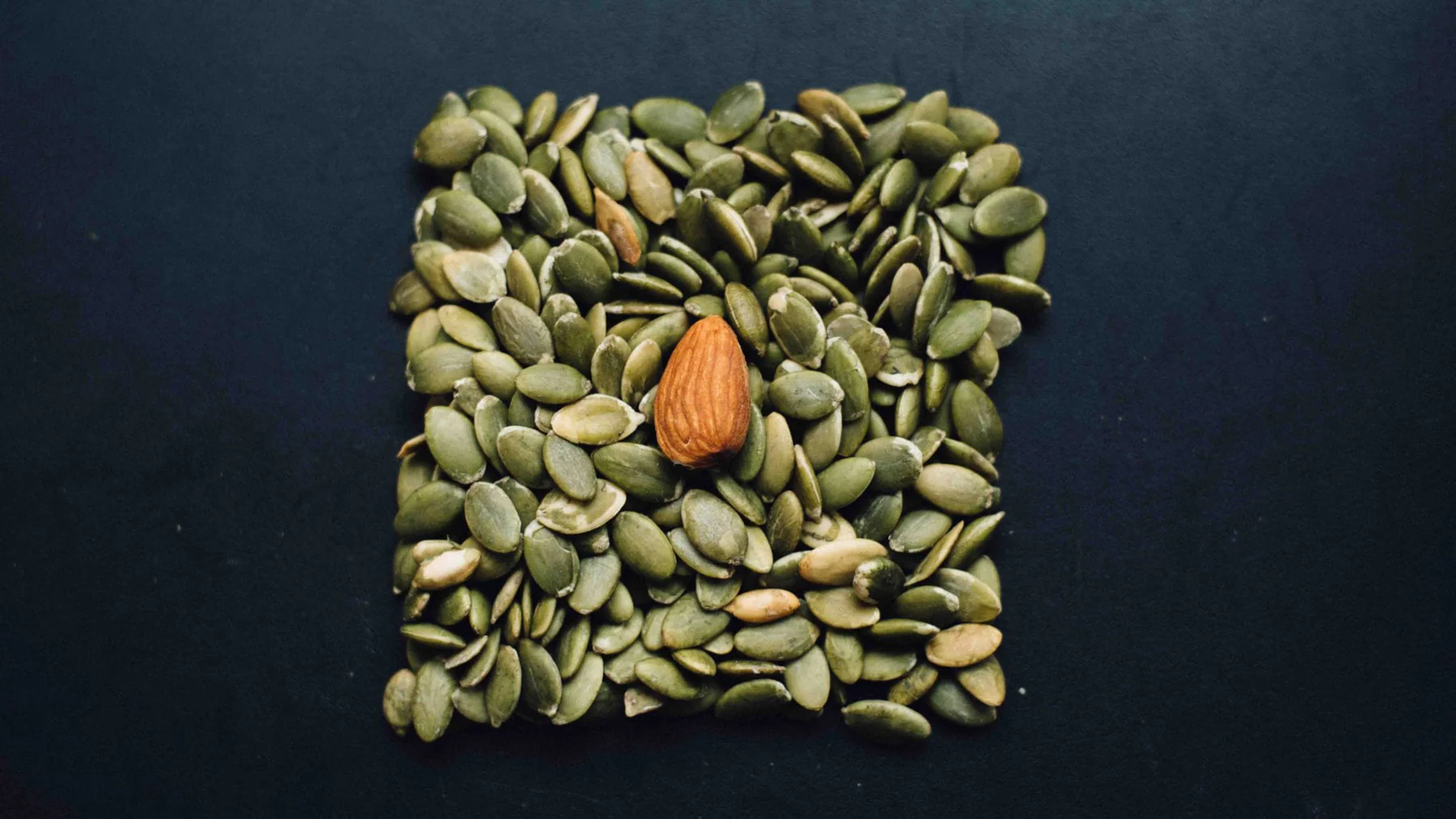
For dogs, linoleic acid (omega-6 fatty acid) and – presumably also – α-linolenic acid (omega-3 fatty acid) are essential, meaning they should be added to their diet. Linoleic acid is important for healthy skin and a beautiful coat, which is why deficiency symptoms manifest as hair loss and a dull coat. Wound healing can also be impaired. Dogs can produce arachidonic acid from linoleic acid, a precursor for certain chemical messengers (e.g., thromboxanes). To a certain extent, the dog produces DHA and EPA itself from α-linolenic acid (e.g., in linseed oil), both of which play an important role in nervous system and retinal development as well as in inflammatory processes. DHA is also important for learning ability. Since it is unknown to what extent dogs can synthesize EPA/DHA themselves, we recommend regular supplementation with algae oil.
Chia seeds
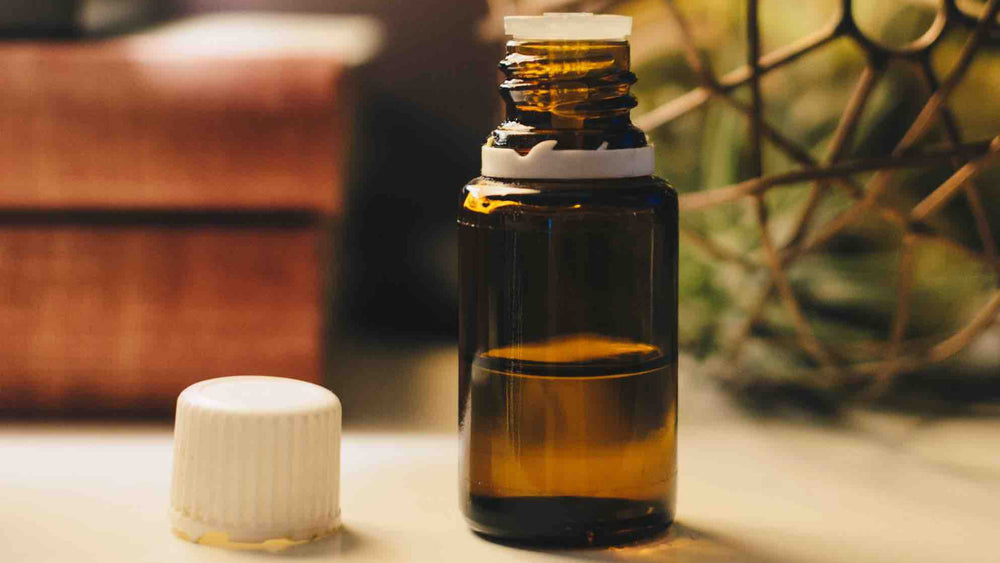
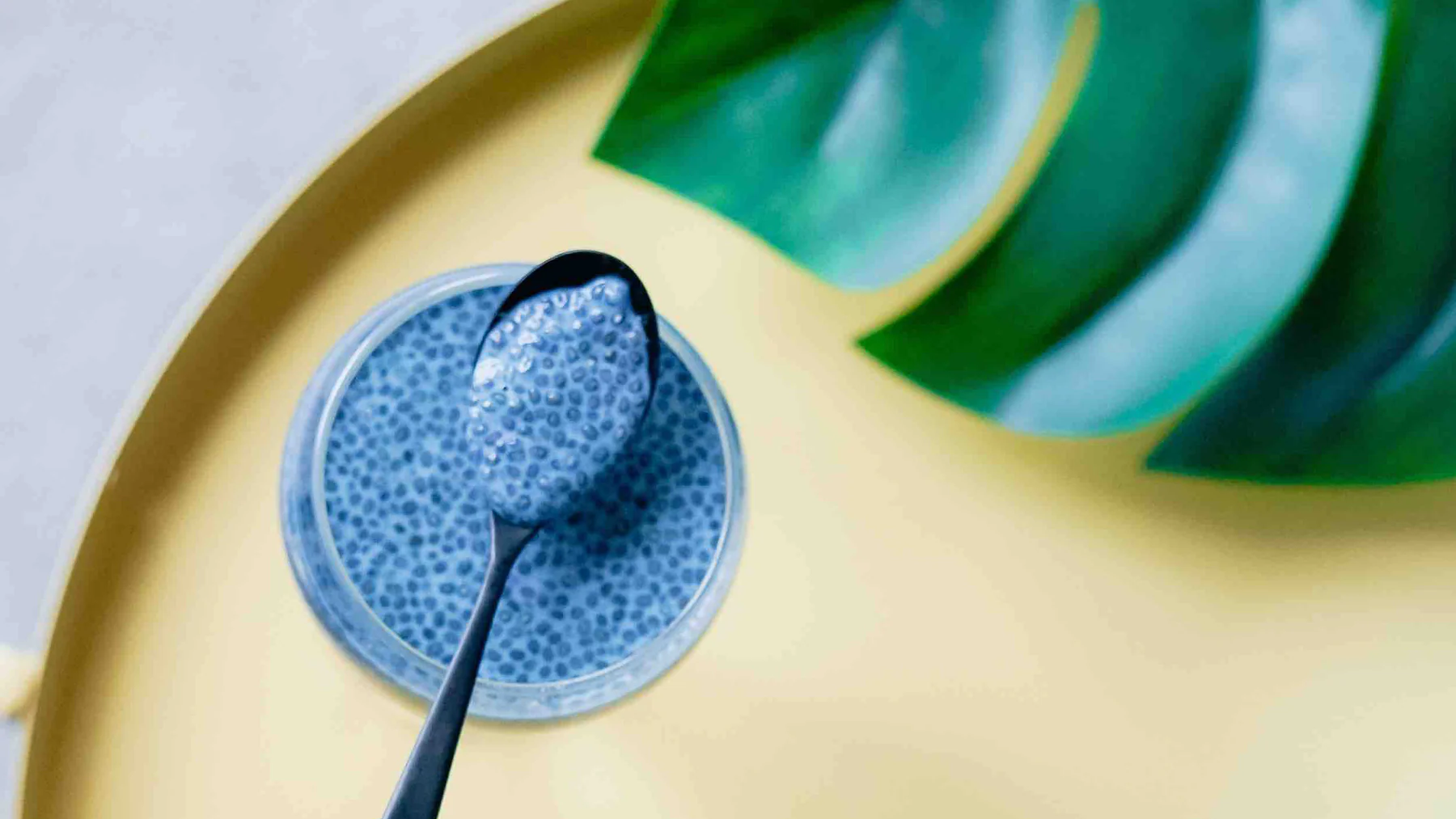
Handling oils The positive properties of oils are only preserved when stored properly; otherwise, the fat will go rancid and can cause vomiting and diarrhea. It makes sense to store oils in small quantities, kept as cool as possible and in opaque bottles. You should screw the lids on tightly to reduce oxidation from oxygen. Examples of oils containing omega-6 and omega-3 # Omega-3 fatty acids: e.g., flaxseed, algae oil, chia oil # Omega-6 fatty acids: e.g., sunflower, safflower, corn germ, wheat germ oil # Combined oils (omega-6 > omega-3 FA): walnut, soy, hemp oil # Less suitable oils for dogs include olive oil and oils that contain essential oils (e.g., black cumin oil). We hope this article has provided you with an overview. Also read our article on the topic of "Fruit/Vegetables" and "Carbohydrates." If you have any further questions, please feel free to contact our experts at tierarzt@vegdog.de. Your VEGDOG team.